An investigation by Arabic Post into dozens of Israeli soldiers’ social media accounts shows that patterns of violations they committed and documented themselves in the Gaza Strip are now being widely repeated in villages and towns across southern Lebanon, in a manner consistent with what Israeli officials have announced as their intention to implement the “Rafah and Beit Hanoun model” in southern Lebanon.
The activities of Israeli soldiers in southern Lebanon aim to make those areas uninhabitable for residents seeking to return and to create what Tel Aviv calls a “security zone” along the northern border with Lebanon, closely resembling the “security zone” Israel established along the borders of the Gaza Strip after demolishing its buildings and wiping them off the map.
The investigation is based on monitoring content published by Israeli soldiers themselves on their accounts, in addition to geolocating and verifying some of the areas where they committed the violations. The monitoring focused on the period between the end of February 2026—when the latest Israeli escalation against southern Lebanon began—and early June 2026.
The documented violations by the soldiers include participation in the systematic destruction of villages, either by blowing up large areas all at once or by destroying what remained with bulldozers, followed by detonating abandoned homes after their residents had been displaced, extending to tampering with residents’ private property, violating its sanctity, and also insulting religious symbols — making these actions a documented pattern accompanying the operations of the occupation army since the Gaza war.
⌄ Scroll down — the interactive map traces the story along the Yellow Line, area by area.
Systematic Destruction and Boasting About Violations
The posts of Israeli soldiers highlight the effects of systematic destruction within what is known as the “Yellow Line” in southern Lebanon, which Israel announced in April 2026, modeled after its counterpart in the Gaza Strip.
The “Yellow Line” in southern Lebanon extends from Naqoura in the west to Khiam in the east, with a depth ranging from 4 to 10 kilometers, while residents of dozens of villages located within it are prohibited from returning to their homes.
A review of the videos and photos posted by Israeli soldiers in southern Lebanon shows that some acts of destruction are not taking place during military confrontations, airstrikes, or artillery shelling, but rather through systematic demolition and explosions after residents had already fled their villages out of fear for their lives.
BINT JBEIL
Around 90% of buildings destroyed
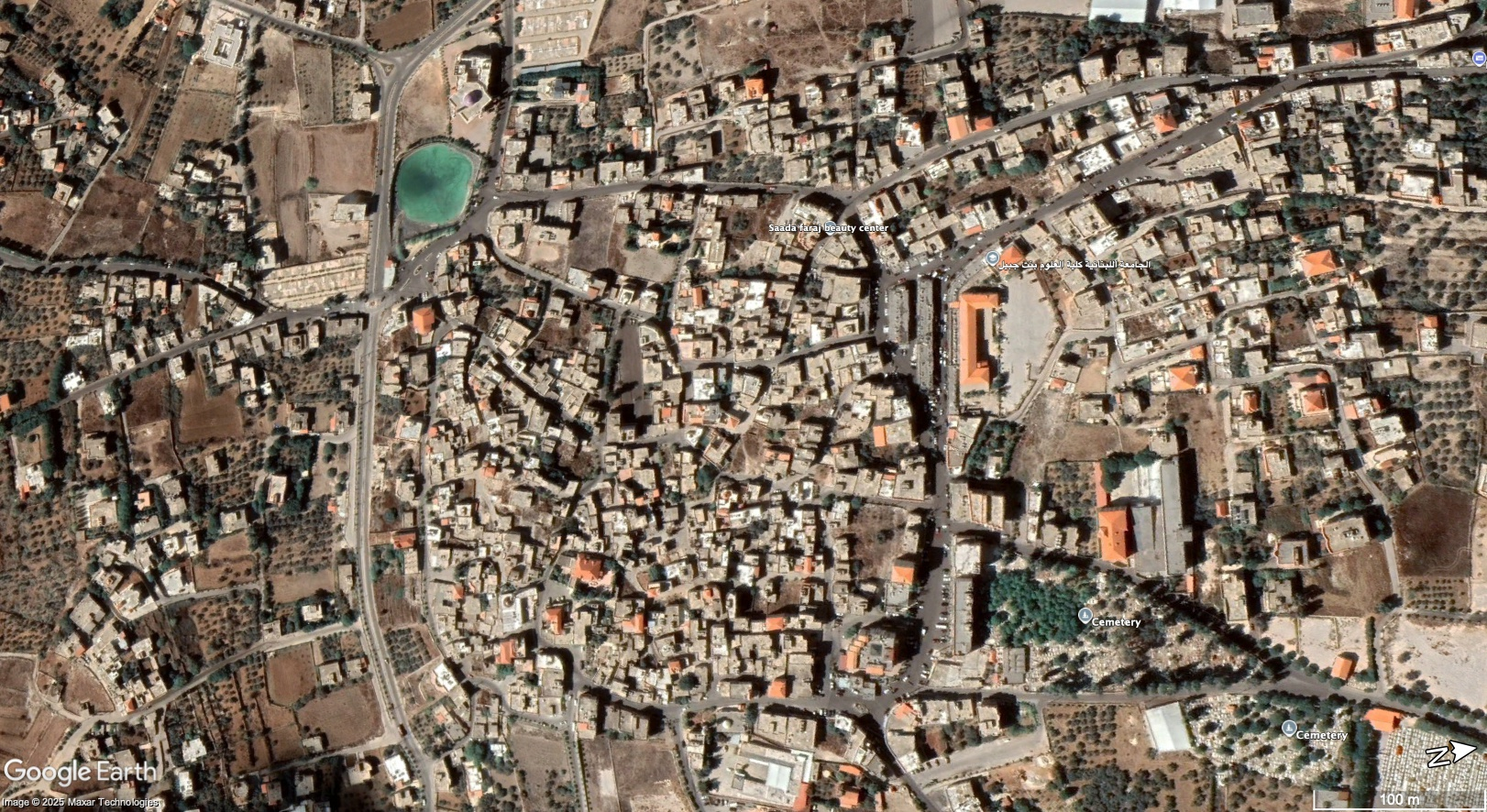
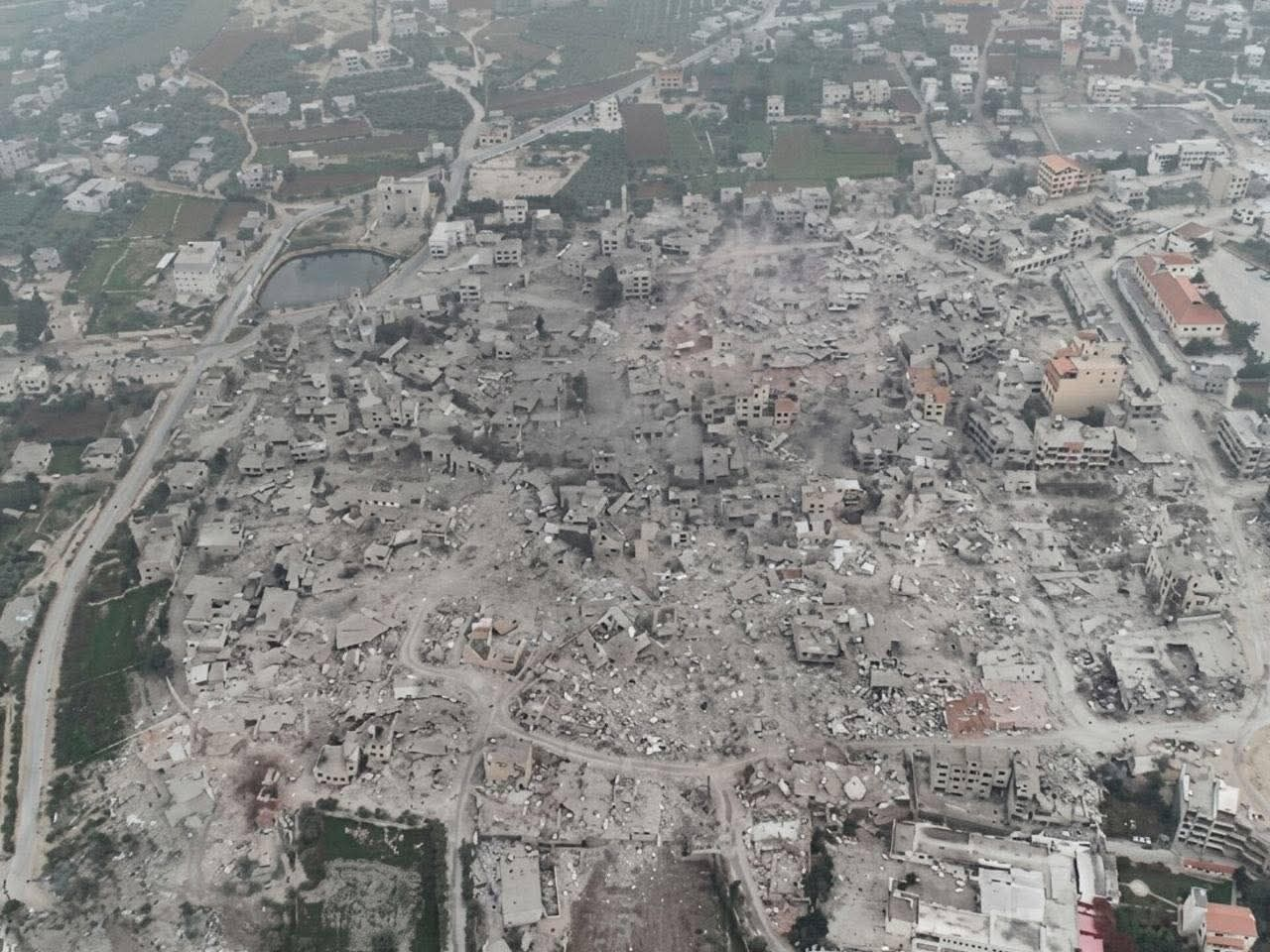
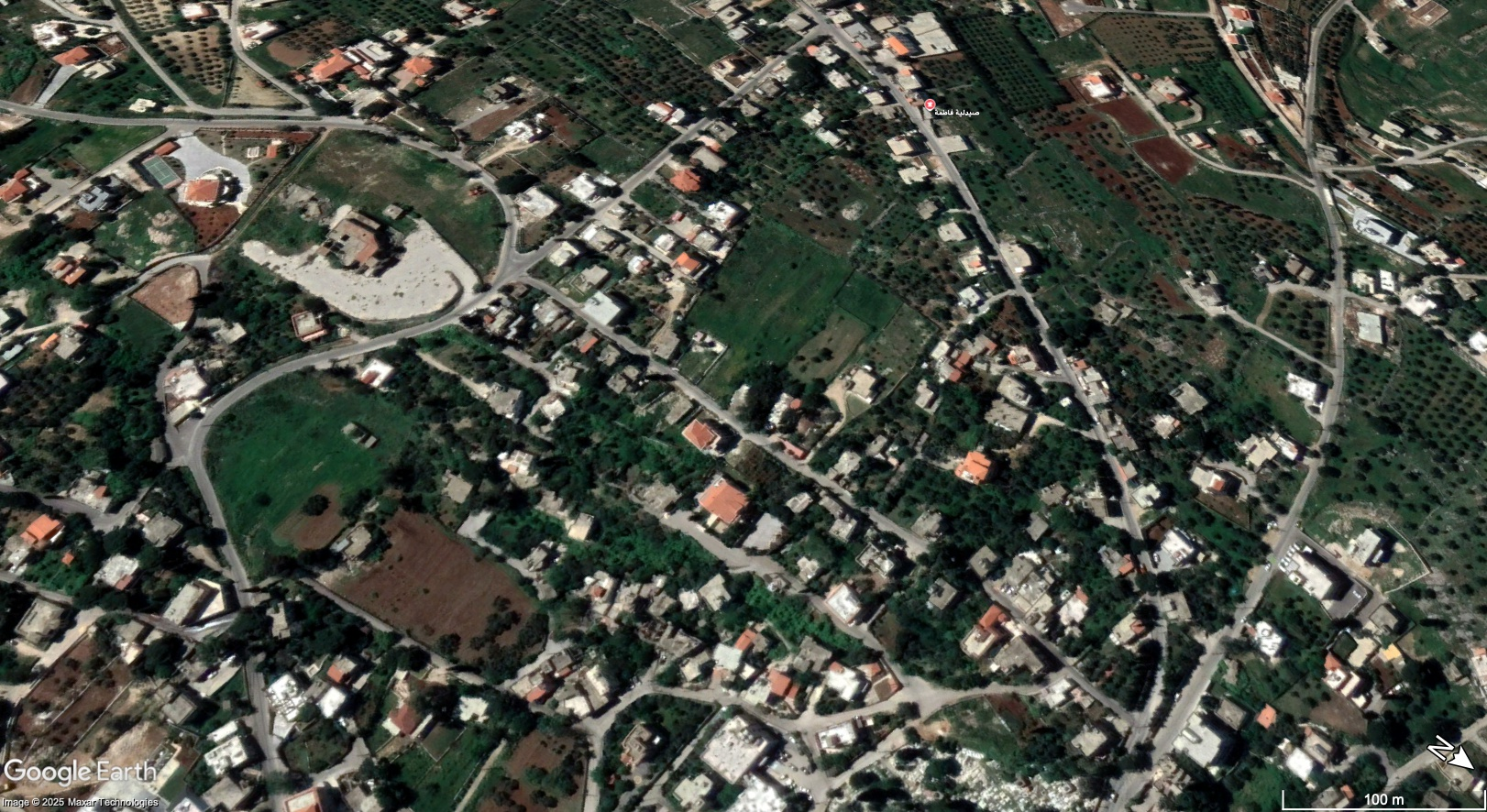
The city of Bint Jbeil is among the areas of southern Lebanon most severely affected, with estimates indicating that around 90% of its buildings have either been destroyed or suffered severe damage. Arabic Post compared satellite images of the city between January and May 2026, showing how entire neighborhoods were transformed into masses of rubble within a short period.
The comparison appears over the map: on one side the city in January 2026, and on the other the same scene in May 2026.
⇆ Drag the slider over the image to reveal the difference
SOLDIERS’ POSTS
“Wherever we are.. we will win together”
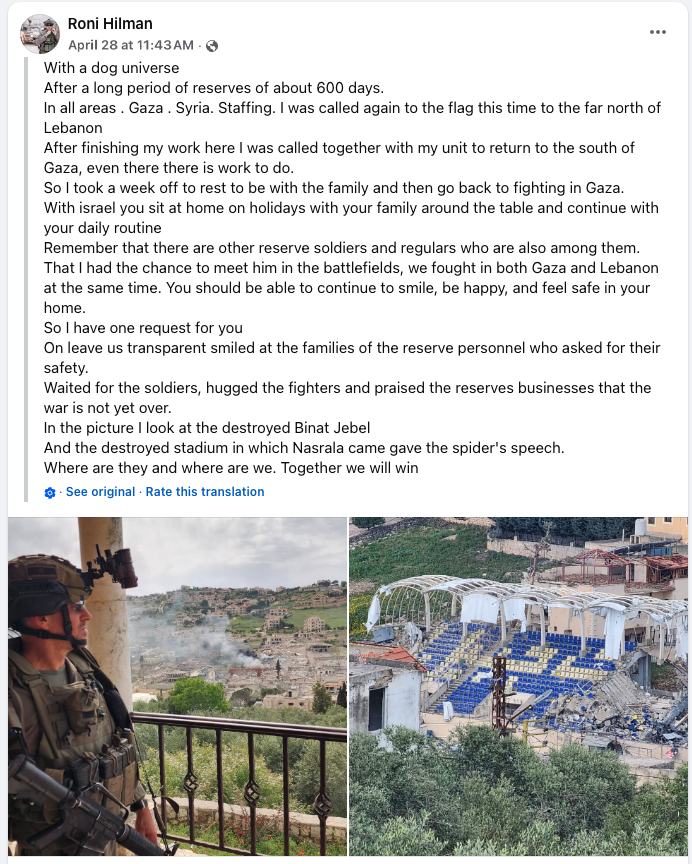
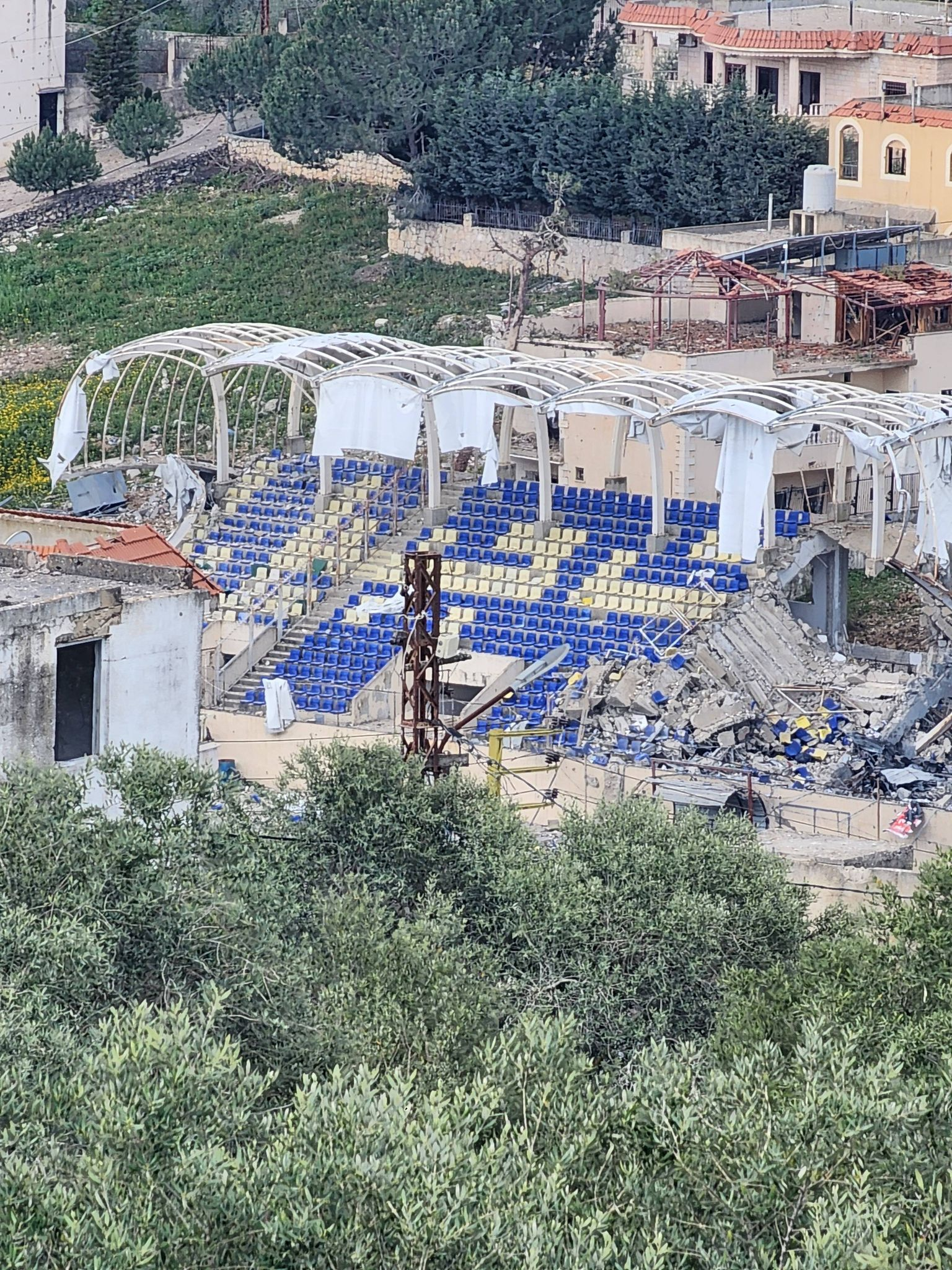
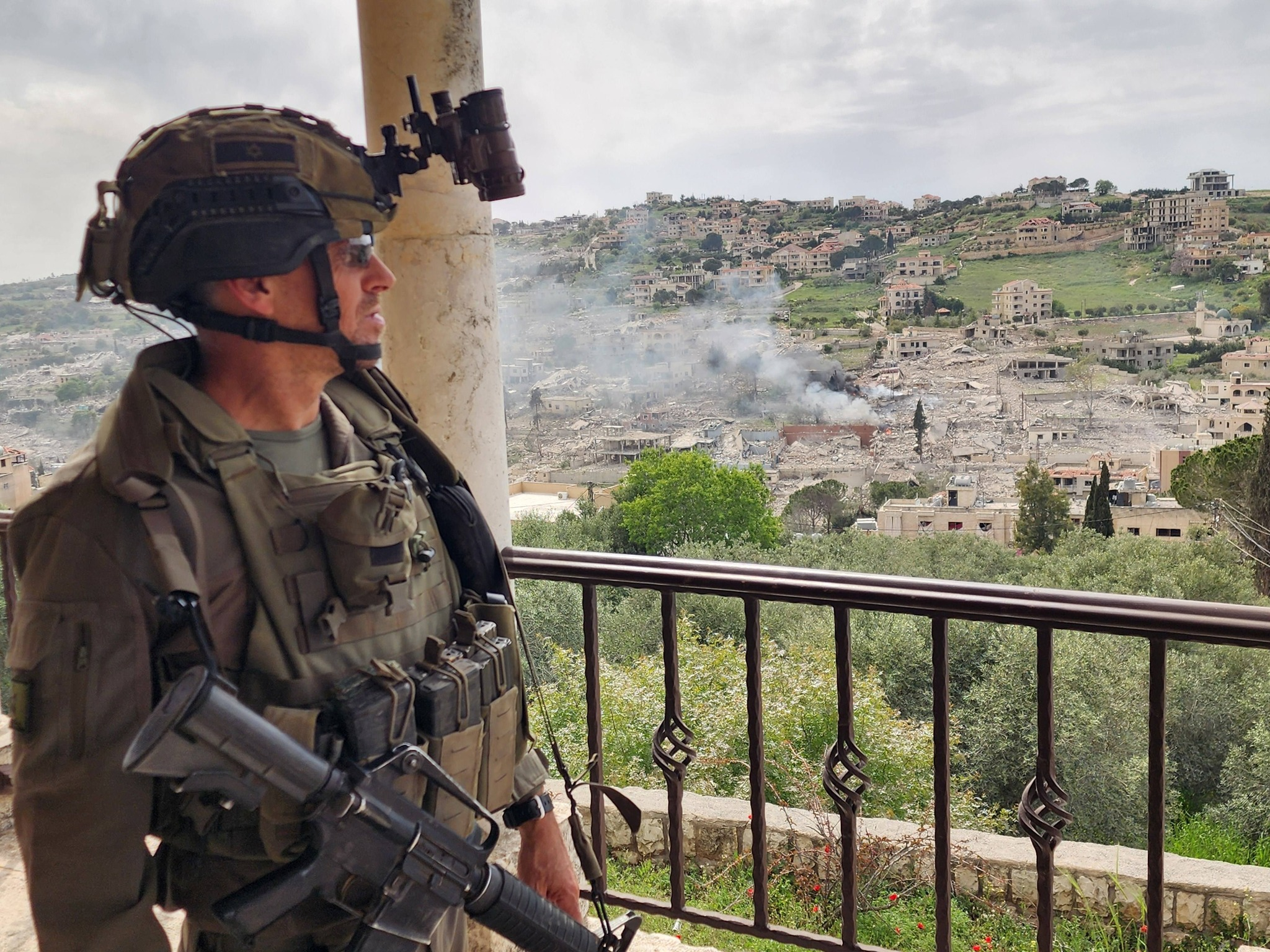
From inside the city, a number of Israeli soldiers posted photos and videos from the locations they reached. Among them was a soldier named “Roni Heilman,” who posted two images on his Facebook account: the first showing the remains of the Bint Jbeil stadium, where former Hezbollah Secretary-General Hassan Nasrallah delivered his famous speech in 2000 following the Israeli withdrawal from the south, and the second showing destroyed residential neighborhoods inside the city. He accompanied the two photos with the caption: “Wherever we are and wherever we go, we will win together.”
BINT JBEIL STADIUM
The stadium.. before and after
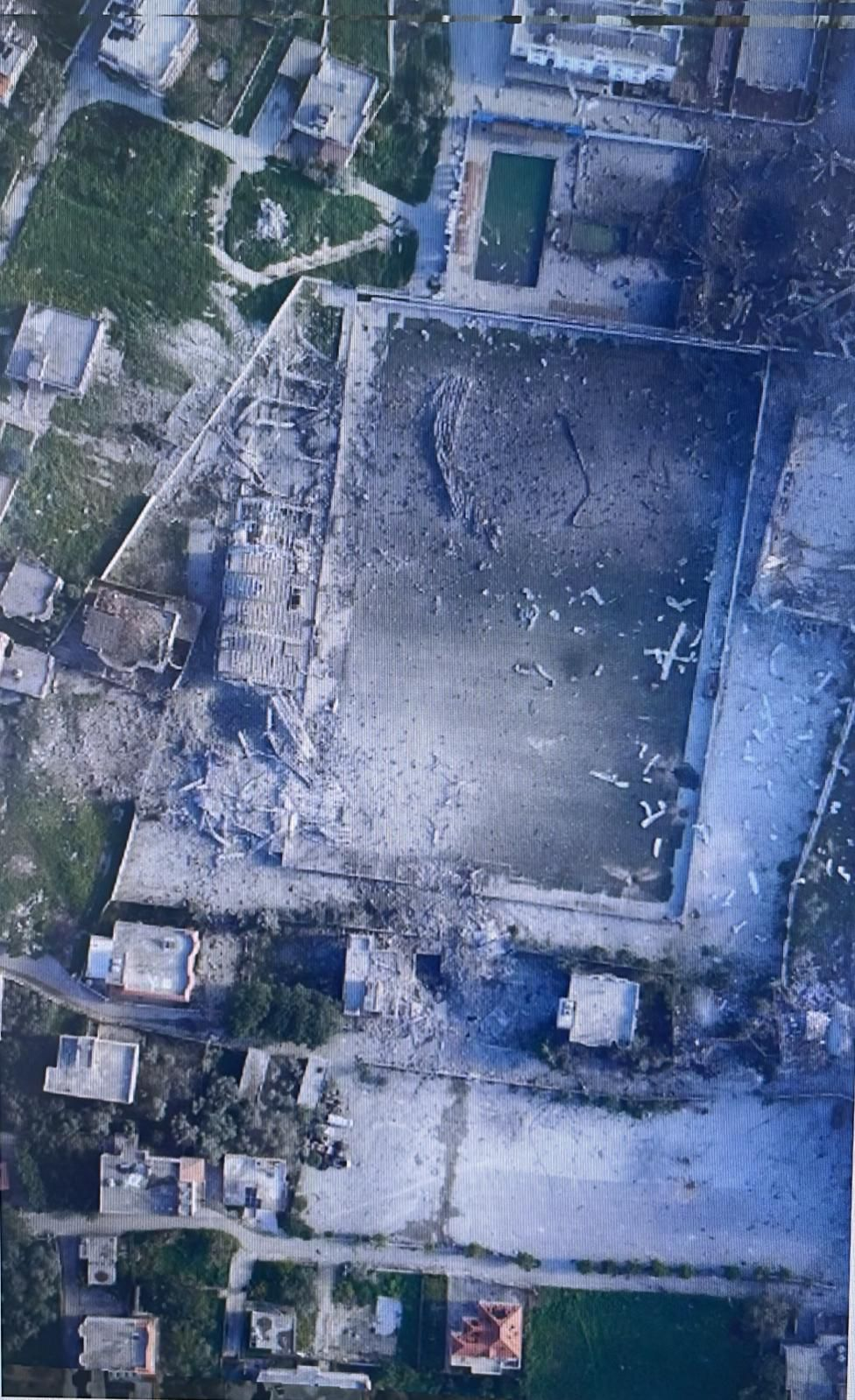
The map moves to the Bint Jbeil stadium, where the comparison appears over it between a Google Earth image of the area before the destruction and the image showing the destruction in and around the stadium.
⇆ Drag the slider to compare
VIDEO
Demolition around the Faculty of Sciences
In scenes mirroring what took place in the Gaza Strip, the Israeli army carried out large-scale demolition operations inside Bint Jbeil, most notably the demolition of several buildings in the vicinity of the Faculty of Sciences. Arabic Post verified the location of the demolition by matching it with satellite imagery before and after the destruction.
The same pattern appears on both sides of the border: the upper video is from Bint Jbeil and the lower one from the Gaza Strip, followed by two images of the same area before and after the destruction.
VIDEO
Flames around “Jamil Jaber” School
In another clip filmed by Israeli soldiers riding on tanks inside Bint Jbeil, widespread destruction is visible around Jamil Jaber School, where flames were consuming at least one building, while neighboring buildings had been altered by the shelling.
This pattern of violations is not limited to Bint Jbeil but extends along the entire border strip. Arabic Post documented similar footage and images from Aita al-Shaab, Yaroun, Maroun al-Ras, Kfar Kila, and Taybeh, where the same process repeatedly appears: blowing up several buildings at once, demolishing them sequentially with armored D9 bulldozers, or combining both methods at the same site.
TAYBEH
An explosion in the town of Taybeh
The map moves to the town of Taybeh, where a video of the demolition appears over it, then an image of the destroyed area after its location was geographically identified, then a comparison of the same operation with its counterpart in Gaza.
For clarity: the image shows the area destroyed in Taybeh
This pattern of destruction taking place in southern Lebanon outside the context of active combat aligns with findings documented by international human rights organizations in the Gaza Strip. Reports issued by Human Rights Watch and Amnesty International concluded that the destruction in Rafah and Beit Hanoun was not the result of ongoing combat operations, but rather a systematic process aimed at making those areas unfit for the return of their residents.
Five towns.. destruction before and after
Arabic Post also conducted additional comparisons of satellite images for several towns and villages in southern Lebanon, documenting their condition before and after the destruction. These can be viewed through the interactive map below by clicking on the red markers over each location.
It should be noted that some of these areas had already sustained a degree of damage before the monitored period. However, comparisons between images from January and May 2026 show that the destruction intensified and expanded during these months, eventually reaching neighborhoods that were still standing in the earlier images but had become rubble in the later ones.
◉ Click any red point to open the full-screen comparison
LOCATION 1Aita al-Shaab
A border town where Arabic Post documented footage and images of systematic destruction. The comparison appears over the map between January and May 2026.
LOCATION 2Kfar Kila
An eastern border town where the same process of blowing up and bulldozing buildings was repeated; the comparison reveals the scale of the destruction.
LOCATION 3Meiss El Jabal
Satellite images show neighborhoods that were standing in the January images turned to rubble in the May 2026 images.
LOCATION 4Aitaroun
Another town within the border strip hit by systematic destruction outside the context of any ongoing battle.
LOCATION 5Naqoura
The western coastal end of the “Yellow Line,” where satellite images document the scale of destruction the town sustained between January and May 2026.
Looting Possessions and Violating the Sanctity of Homes
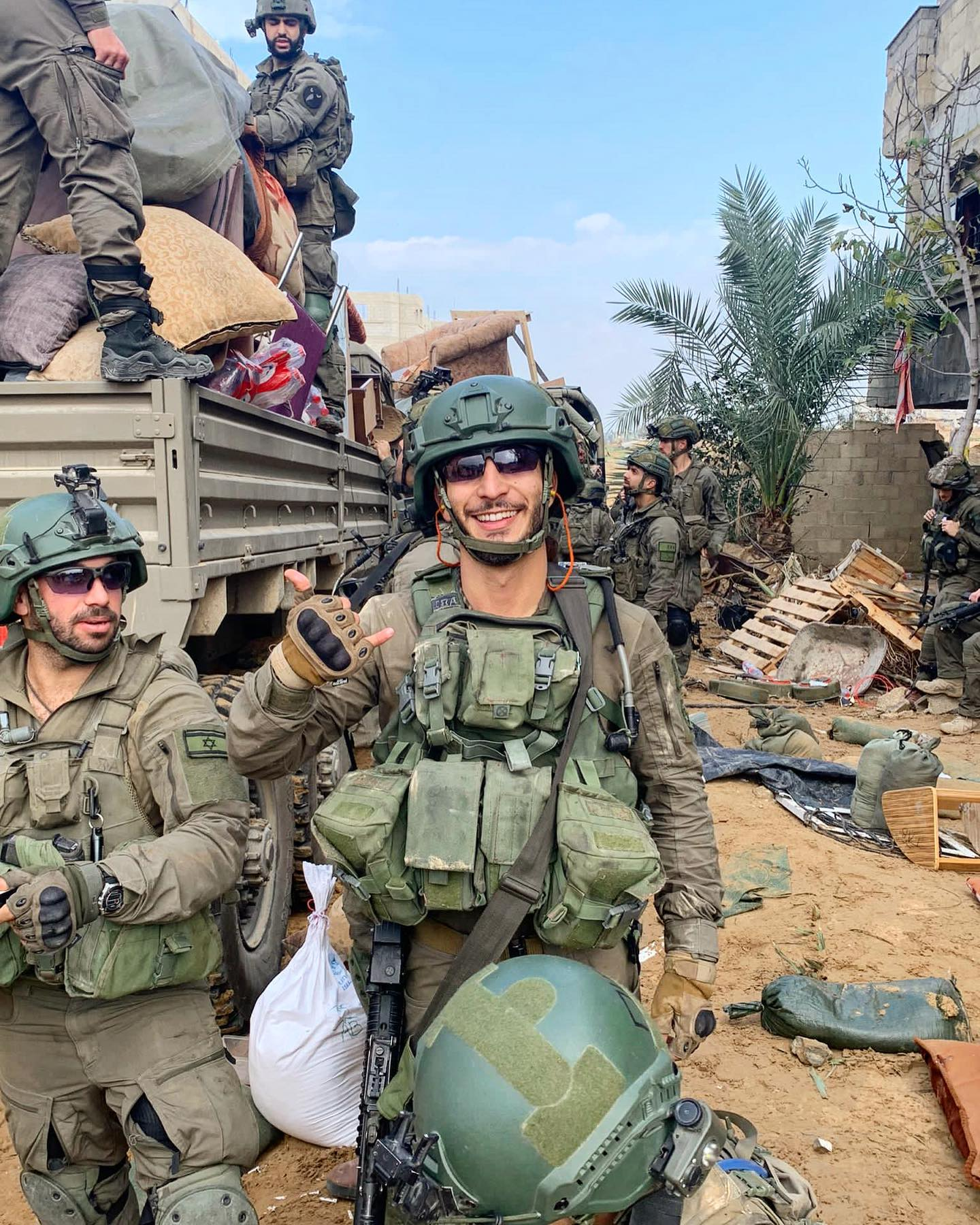
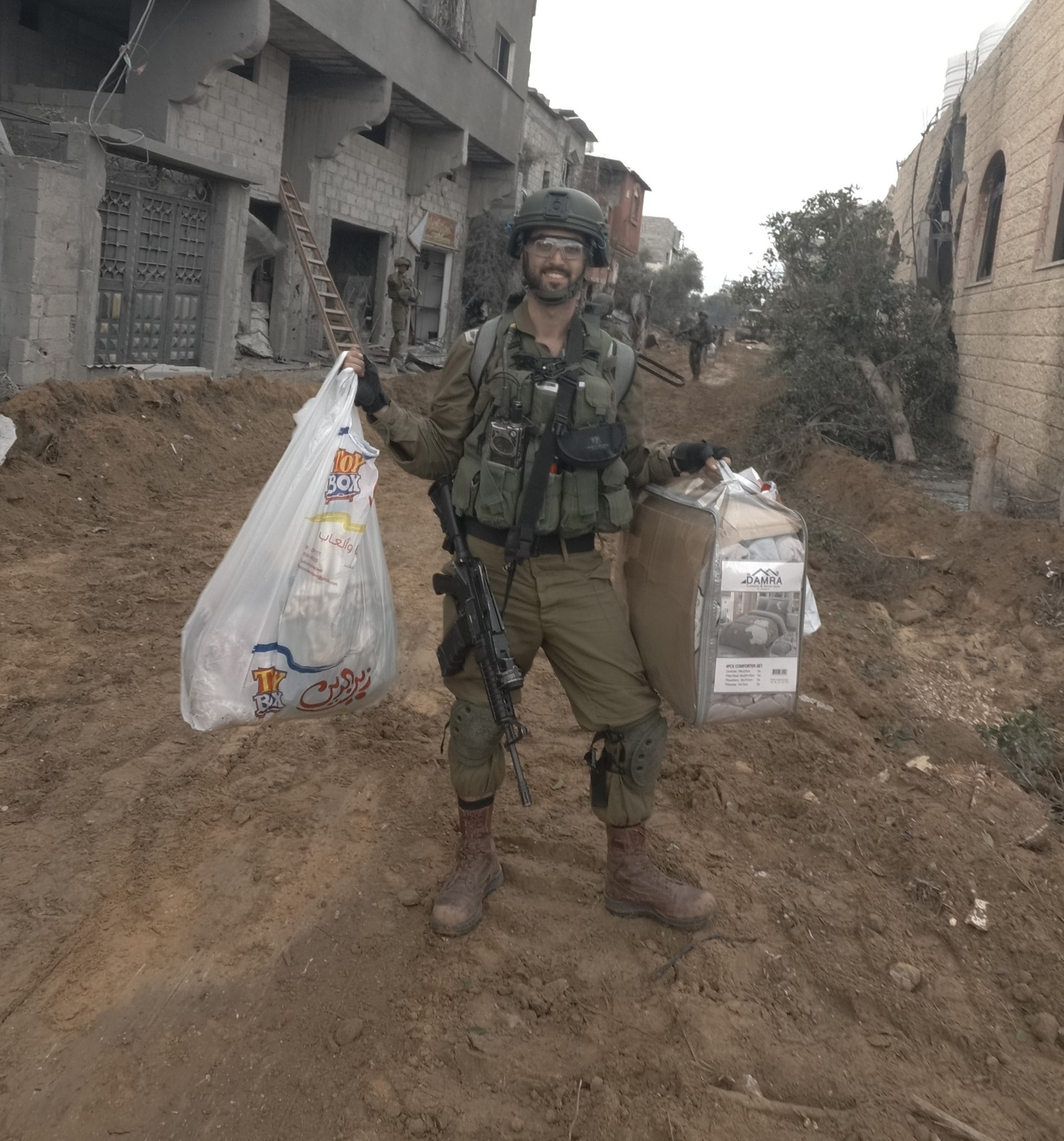
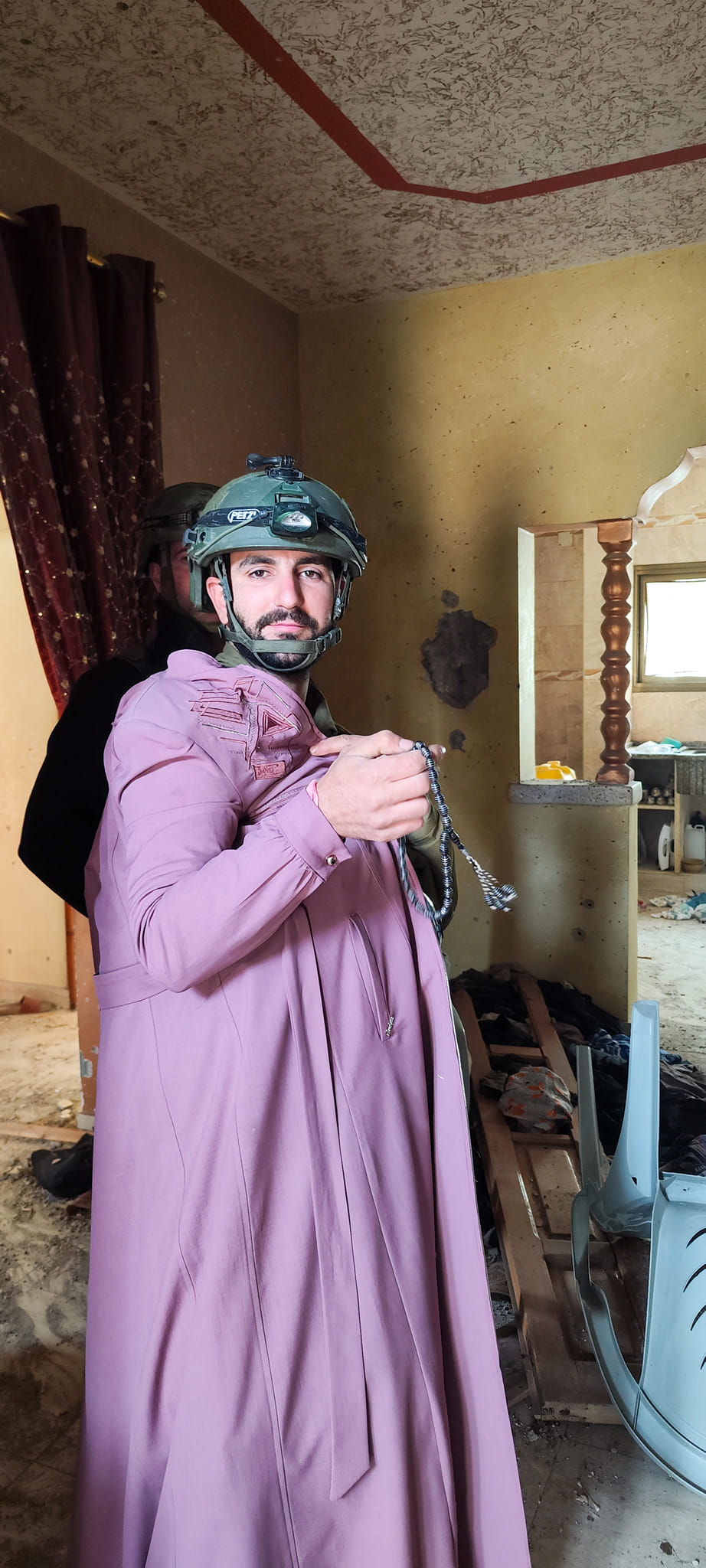
What Israeli soldiers documented themselves was not limited to demolishing buildings but also extended inside them. Arabic Post monitored posts showing soldiers tampering with residents’ belongings, displaying items they had taken in front of the camera, or lying on the beds of forcibly displaced Lebanese families and taking souvenir photos of themselves — an exact replica of behavior previously documented by Israeli soldiers inside homes in Gaza.
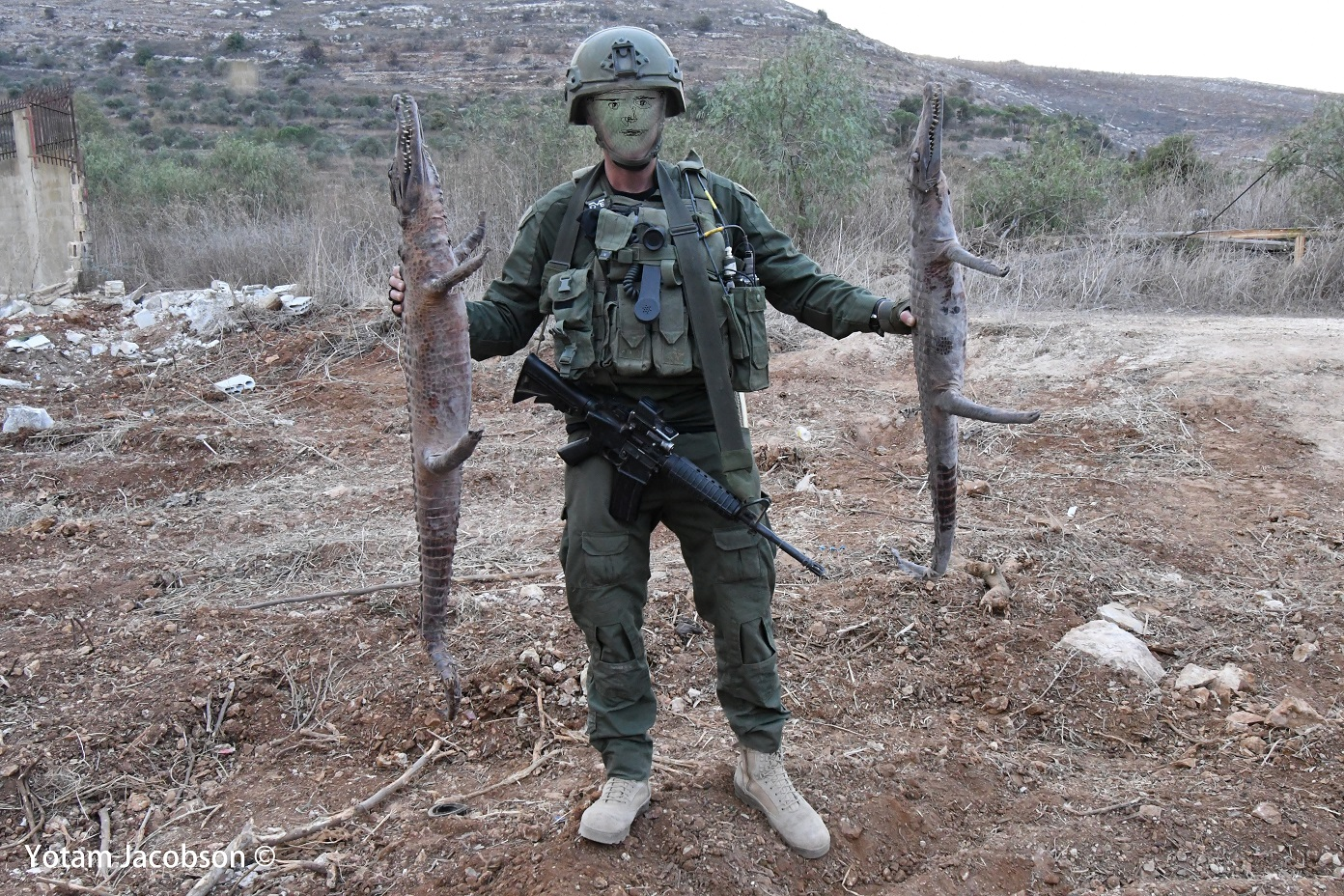
In one image documented by Arabic Post, an Israeli soldier in the town of Kfar Kila in southern Lebanon is seen displaying possessions he had taken from a home in front of the camera. The images were posted by an Israeli photographer who had expressed disapproval of what he saw as the soldiers’ behavior and criticized it in a post on his account.
The same behavior is documented in Gaza, as shown in the images displayed over the map.
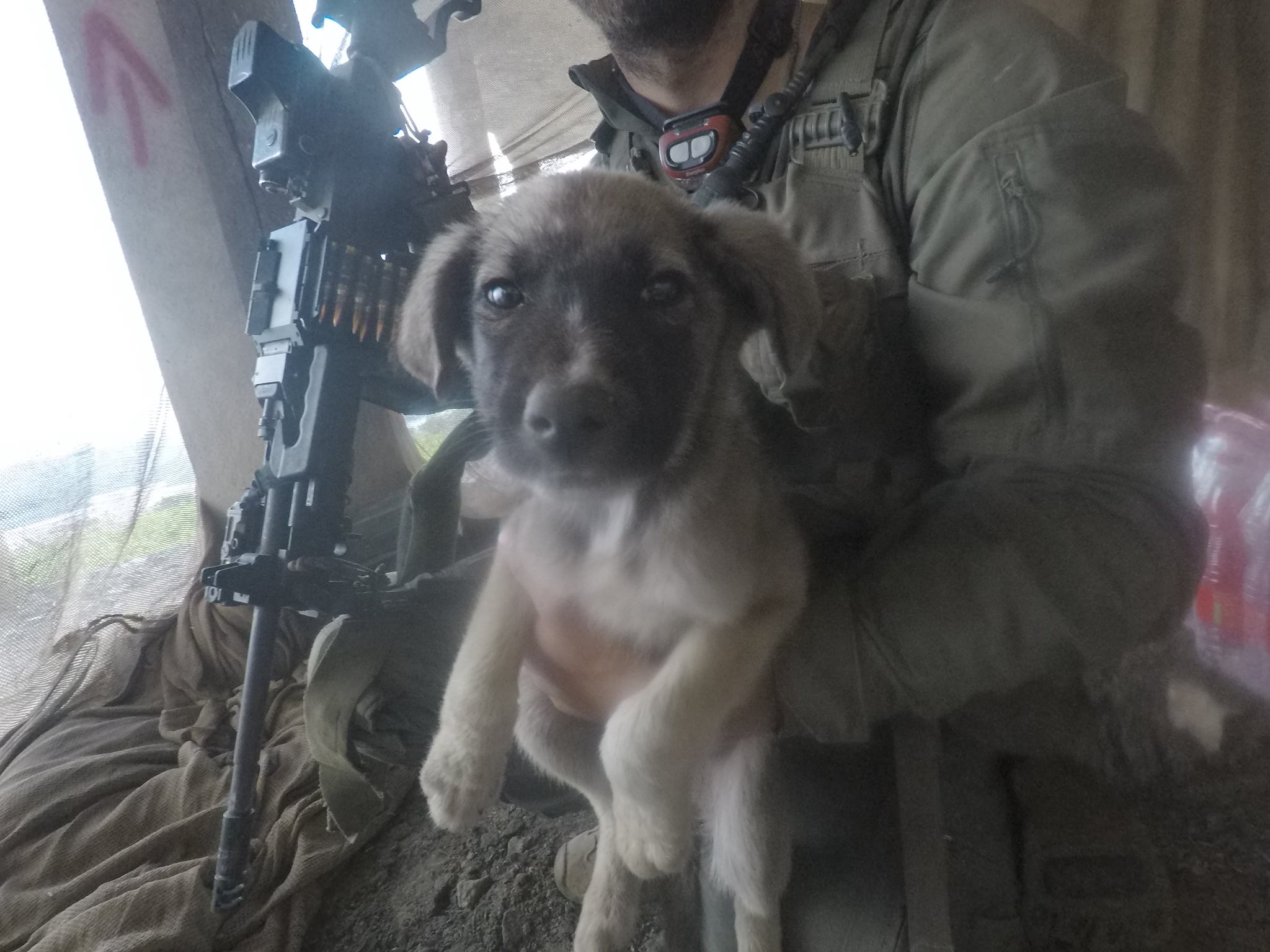
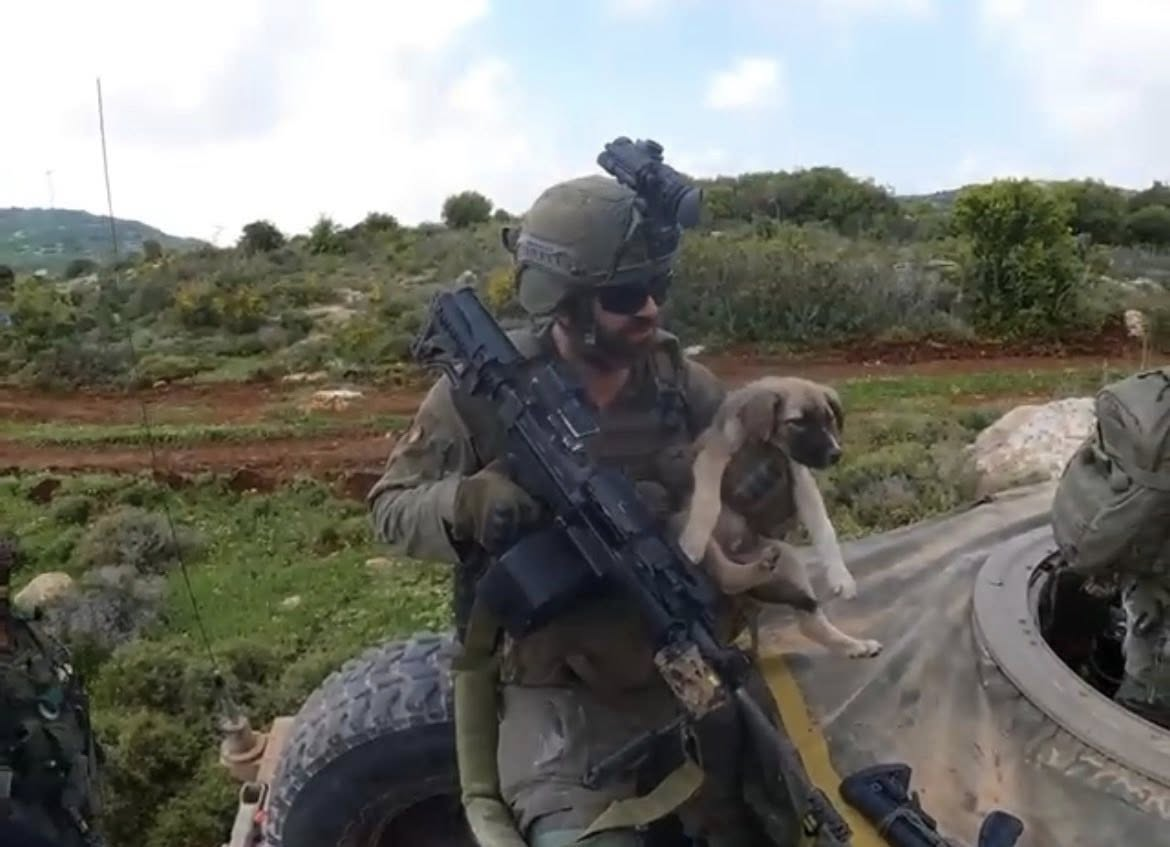
Nor were inanimate belongings the only things crossing the border with the soldiers. In mid-April 2026, Israeli soldier Ohad Kedar posted photos and videos through a Facebook group called “Secret Tel Aviv” of a dog he said he had brought with him from southern Lebanon into Israel.
One clip shows the soldier placing the dog inside a military vehicle, while another image shows the dog beside him while he is wearing his full military uniform.
The thefts and looting carried out by Israeli soldiers in southern Lebanon have even become a topic of discussion in the press inside Israel. In an investigation published by Haaretz in April 2026, based on testimonies from regular and reserve soldiers in southern Lebanon, the theft of motorcycles, televisions, artworks, and carpets had become almost routine behavior during operations.
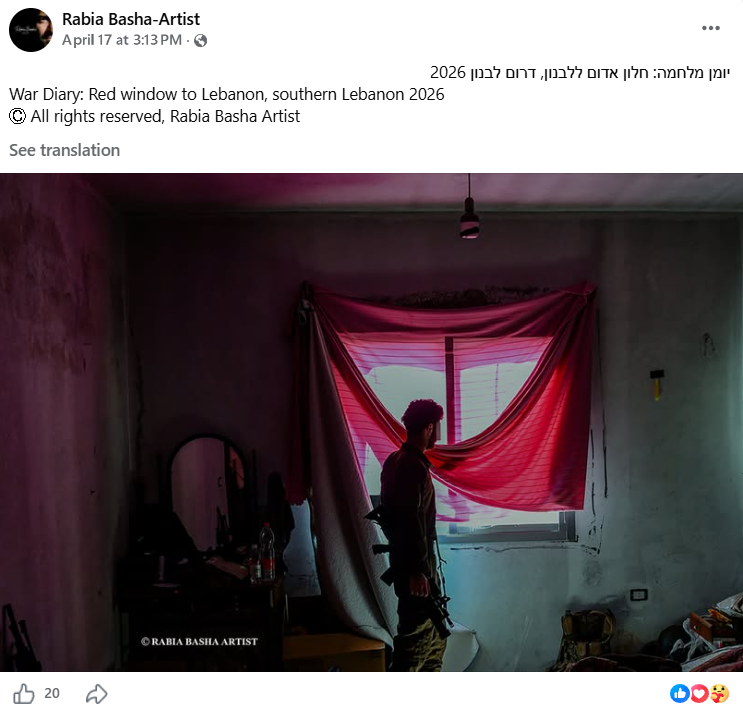
Other posts by Israeli soldiers in southern Lebanon document them entering homes and violating their sanctity. One soldier posted a photo from what appears to be a bedroom in a house in a southern village, accompanied by the caption: “War diaries: A red window into Lebanon, southern Lebanon 2026.”
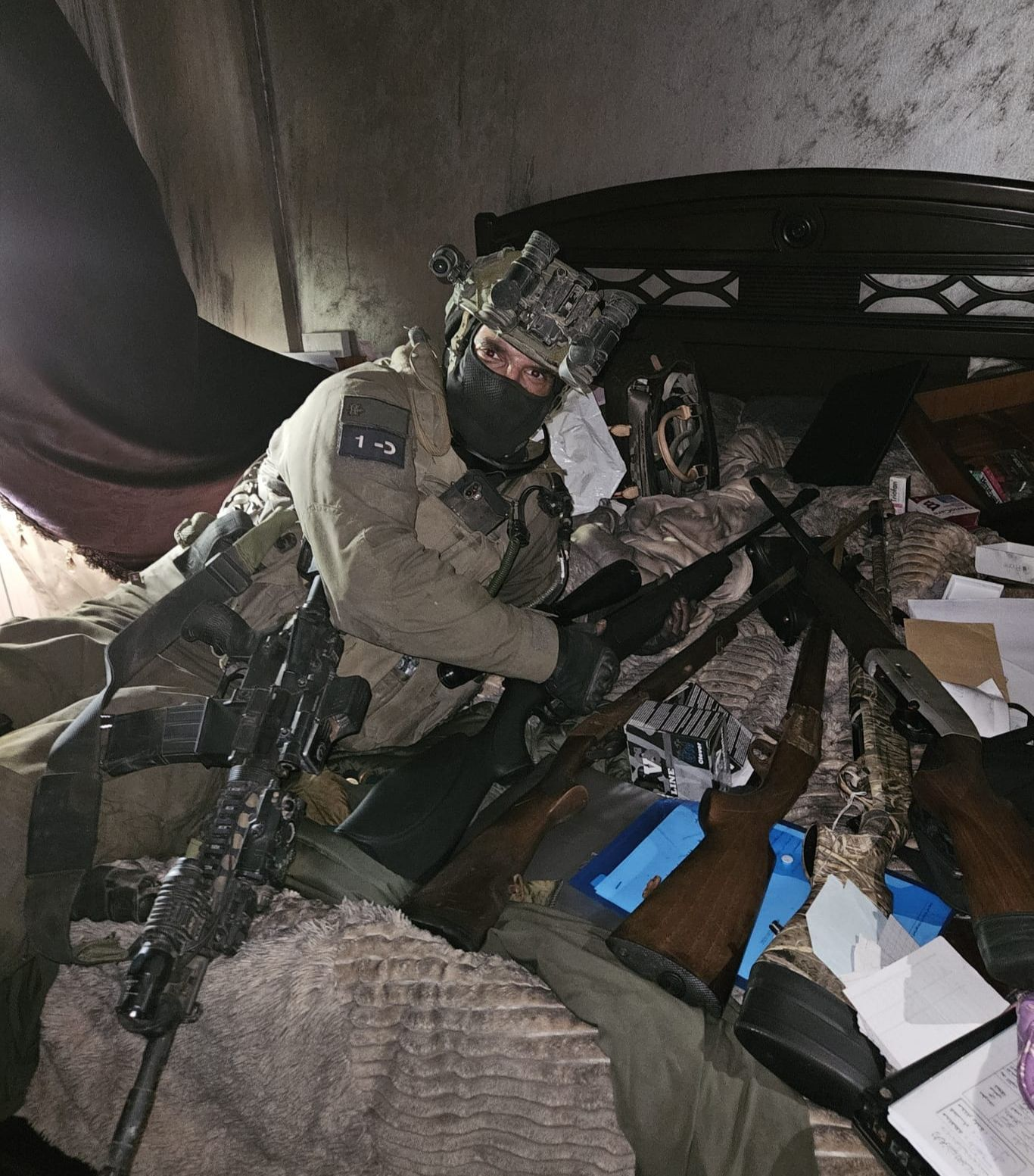
In another image, soldier Aviv Bessler appears lying on a bed in a Lebanese home with the caption: “Somewhere in a land cursed with blood, southern Lebanon.” The comparison with images of soldiers who committed the same violation in Gaza appears over the map.
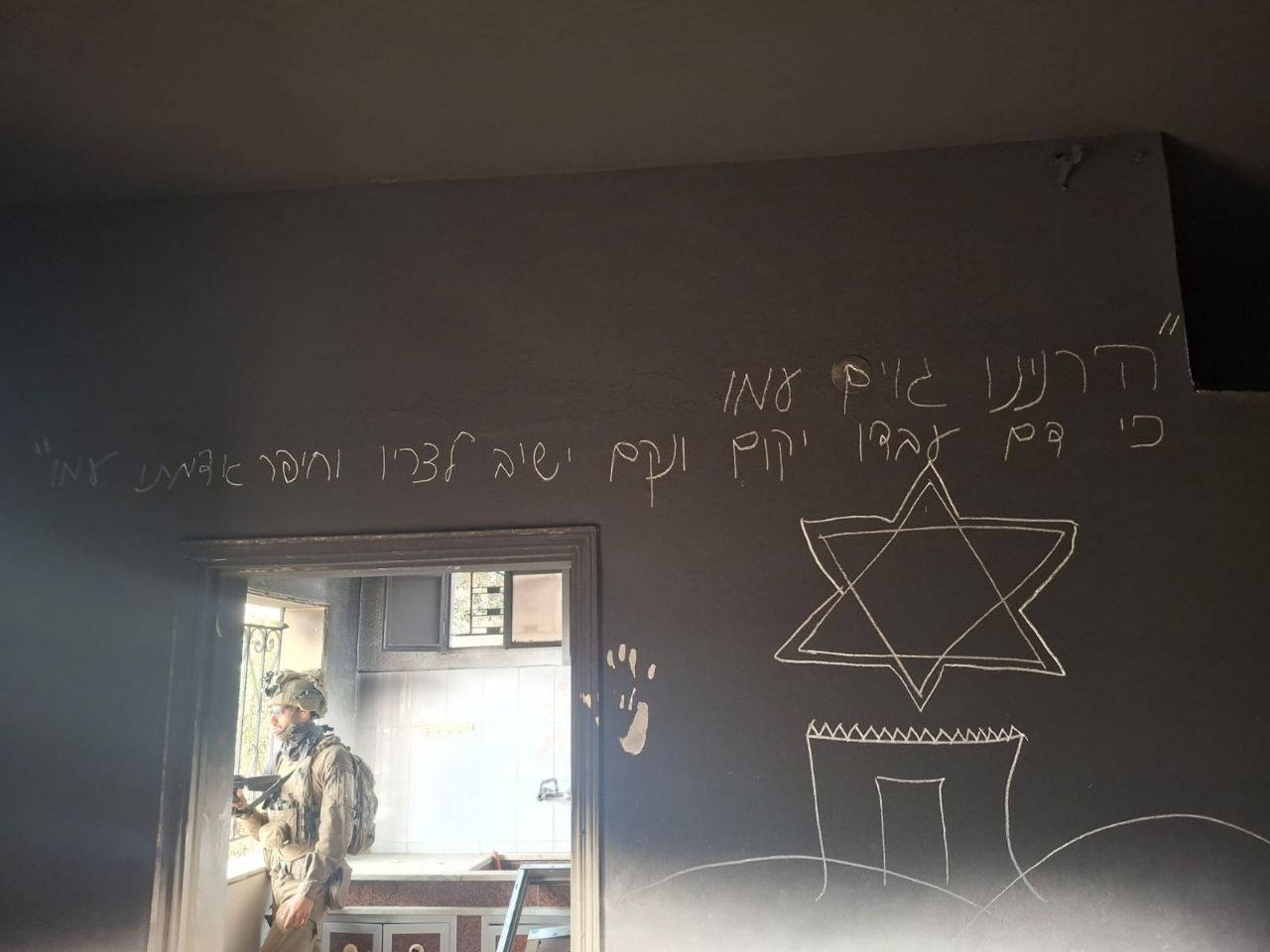
In some posts by Israeli soldiers, religious messages are intertwined with demolition operations and home raids. On April 7, 2026, an account under the name Wajdi Asakli posted a photo said to document operations of the “Givati” Brigade in Lebanon, showing a burned house with a Star of David drawn on its wall.
These posts are not confined to the act of destruction itself but also extend to boasting about it and mocking it. In a video filmed by Israeli soldiers, an Israeli soldier is seen playing a children’s piano while, behind him, a D9 military bulldozer continues demolishing a Lebanese home.
Insults to Graves and Religious Symbols
What Israeli soldiers documented did not stop at homes and private property but extended to committing violations against what is explicitly protected under international humanitarian law, such as cemeteries, places of worship, and religious symbols.
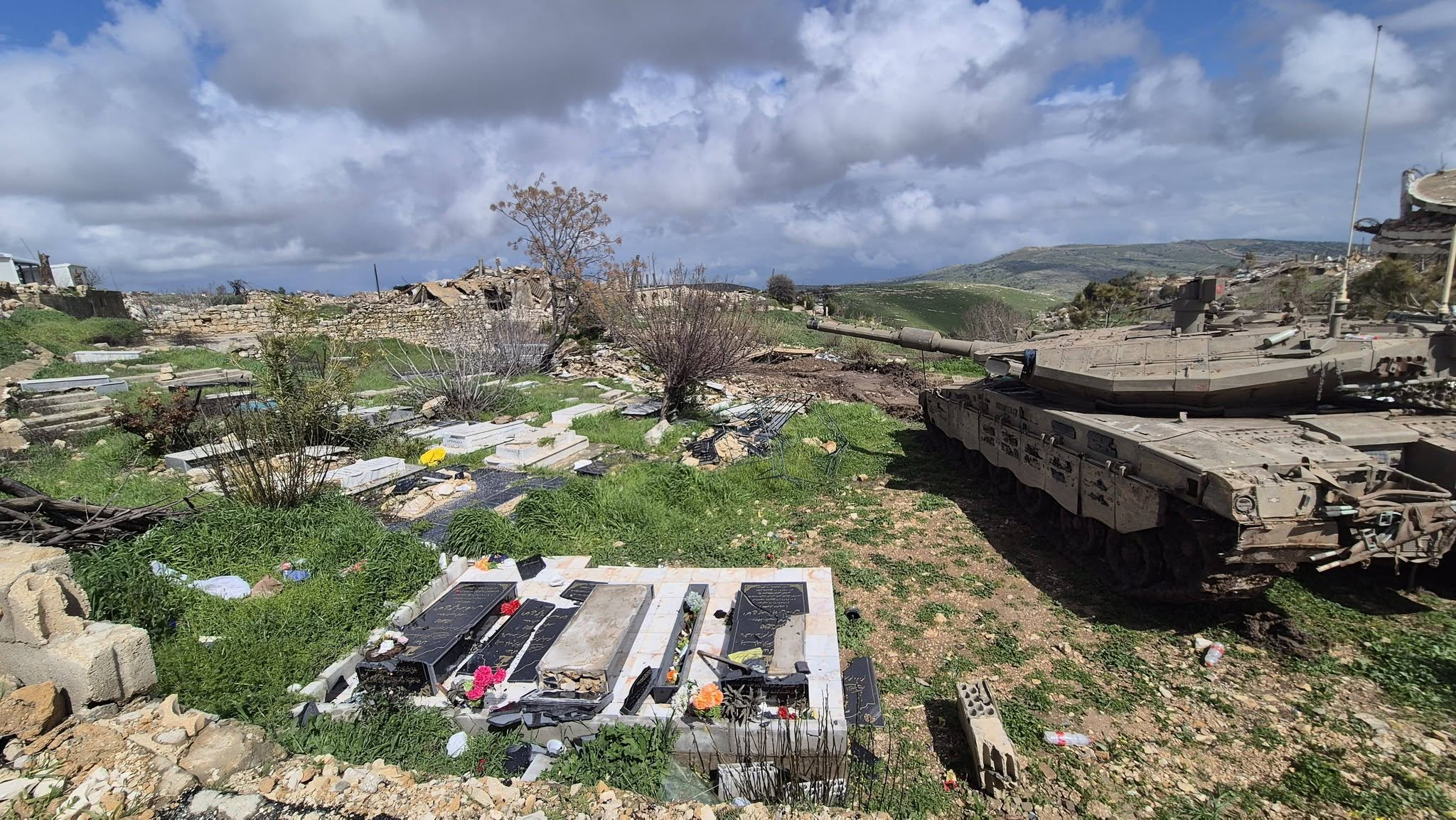
Arabic Post identified an account belonging to Israeli soldier Haggai Sakat, who posted a collection of photos and videos that he indicated were from the town of Maroun al-Ras. Among them was an image showing a tank advancing into one of the village cemeteries, with visible damage to several gravestones.
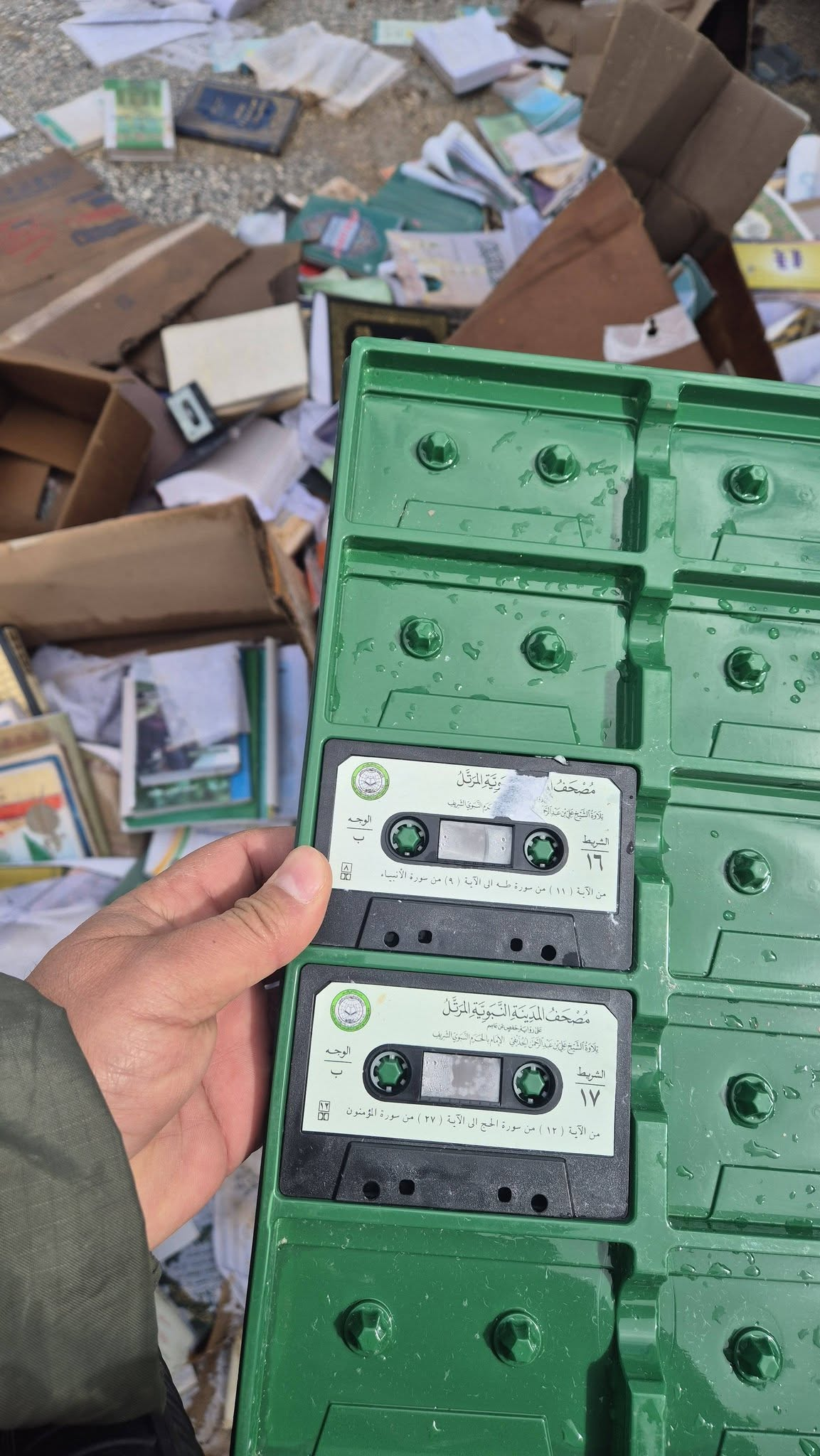
In a separate image from the same account, a soldier is seen handling personal belongings at a location in the same town, linking both violations to the same individual and the same location, while a video posted by the soldier showed widespread destruction resulting from military operations.
DEBEL — BINT JBEIL DISTRICT
Smashing the statue of Jesus Christ
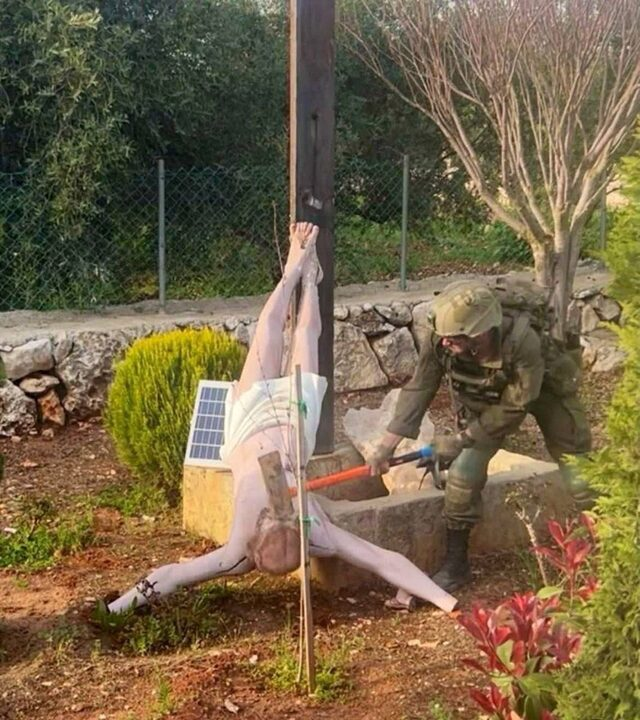
Among the most prominent violations involving religious symbols in southern Lebanon — ones that sparked angry official reactions in the West — was the attack on Christian religious symbols in the town of Debel in the Bint Jbeil district, after an image spread showing an Israeli soldier smashing the head of a statue of Jesus Christ with a hammer while another soldier accompanying him filmed the act.
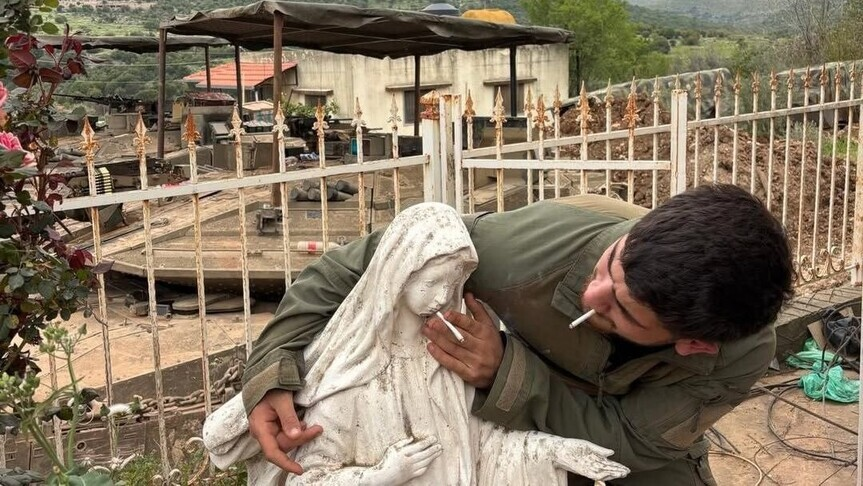
Weeks later, another image from the same town circulated showing a soldier placing a cigarette in the mouth of a statue of the Virgin Mary, which was shared on social media.
Yellow LineSystematic destruction within the border strip
The violations documented by Israeli soldiers themselves in southern Lebanon cannot be separated from the official Israeli discourse surrounding the war; rather, they overlap with it both in timing and content. They were preceded and accompanied by public statements from government and Knesset officials who explicitly called for replicating the destruction model applied in the Gaza Strip in southern Lebanon — and even going beyond that toward altering geographical borders.
From Rhetoric to Military Directive
March 2026 — Finance Minister Bezalel Smotrich called for “Israel’s new border to be the Litani River” — annexing nearly 10% of Lebanon’s territory.
Religious Zionism — Knesset member Zvi Sukkot went further, publicly calling for occupying land in southern Lebanon, destroying its villages, and annexing them to Israel.
Likud — Knesset member Amit Halevi called for the Litani River to become the new “Yellow Line” for northern Israel.
The military directive — Defense Minister Israel Katz announced that he and PM Benjamin Netanyahu instructed the army to destroy infrastructure in Lebanese border villages “as was done in Rafah and Beit Hanoun.”
In March 2026, Israeli Finance Minister Bezalel Smotrich called for “Israel’s new border to be the Litani River” — annexing nearly 10% of Lebanon’s territory.
Smotrich was not alone in this position. His colleague in the Religious Zionism Party, Knesset member Zvi Sukkot, went even further by publicly calling for the occupation of land in southern Lebanon, the destruction of its villages, and their annexation to the Israeli state.
In the same context, Likud Knesset member Amit Halevi called for the Litani River to become the new “Yellow Line” for northern Israel, directly borrowing the term used by the Israeli military to describe the dividing line that split the Gaza Strip into two halves.
The rhetoric then evolved into a clear military directive, as Defense Minister Israel Katz announced that he and PM Benjamin Netanyahu instructed the army to destroy infrastructure in Lebanese border villages “as was done in Rafah and Beit Hanoun.”
The transformation of the violations committed by Israeli soldiers in southern Lebanon and Gaza into a recurring pattern in their military operations suggests that the absence of serious accountability by Tel Aviv is a primary factor in the continuation of this pattern of conduct, despite the angry reactions and regional and international criticism it has generated, such as in the case of the desecration of the statue of Jesus Christ.
What is striking about the violations committed by Israeli soldiers is that the world learns about them from the soldiers themselves, who publish them in Telegram groups and on their social media accounts, transforming the act from a violation committed in secrecy into content presented as an achievement — without leading to any serious action to prevent its recurrence.