Expulsion, Judaization and ExclusionAnalysis of 10,000 Tweets Reveals the Most Alarming Promises Made by Contenders in Israel's Elections—and How They Used Arabs in Their Campaigns, Even with Artificial Intelligence
Arabic PostInvestigation and design: Murad Mohammad Al-Hamwi
An analysis of 10,867 tweets conducted by "Arabic Post" reveals how leading contenders in Israel's Knesset elections, scheduled for October 27, 2026, used Arabs and Palestinians in their campaigns—whether to frighten voters about their political opponents, incite hostility against Arabs and Palestinians, or make promises affecting their lands and rights.
The investigation also examined the use of artificial intelligence to produce election campaign content that portrays Arabs negatively, uses Arab figures to attack political rivals, or stokes fear of them.
The monitoring covered 2,638 original and quote tweets posted on X by 10 contenders and the Likud Party's account, from the dissolution of the Knesset on July 17 through October 14, 2026.
The accounts were divided between those associated with the right wing—Benjamin Netanyahu, the Likud Party, Itamar Ben-Gvir, Bezalel Smotrich, and Moshe Feiglin—and those belonging to the opposition: Avigdor Lieberman, Naftali Bennett, Yair Lapid, Gadi Eisenkot, Yair Golan, and Benny Gantz. Gantz announced his withdrawal from the race on October 19, 2026, after the monitoring period had ended, so his tweets remained part of the analysis. Lieberman was classified as part of the opposition based on his electoral position rather than his political ideology.
The analysis also included 8,229 tweets published between September 15 and October 15, 2026, collected from users' replies to several election contenders' accounts and from searches related to Arabs, Palestinians, and the elections.
Among the key findings, which will be explored in detail in the following sections, Arabs were directly or implicitly the subject of 40% of right-wing election-related tweets, compared with 13% of opposition tweets—approximately three times the proportion.
40%of the right wing's election tweets addressed Arabs
About 3 timesthe presence of Arabs on the right compared with the opposition
13%of the opposition's election tweets addressed Arabs
Each dot is an election tweet that addressed Arabs, explicitly or implicitly.
The thin circle is all of the camp's election tweets; the colored part is the share that addressed Arabs.
Of the tweets about Arabs analyzed in the investigation, 94% of those posted by right-wing contenders contained hostile rhetoric, compared with 49% of those posted by the opposition.
The findings went beyond the nature of the rhetoric to identify election promises, most notably the displacement of Palestinians, settlement expansion, measures affecting land and rights, and the exclusion of Arab parties from government. All promises and demands classified at the highest level of incitement came from the right-wing camp.
Hostile rhetoric also extended to replies from Israeli users on X, where the investigation documented calls to expel Arabs, revoke their citizenship, and strip them of political rights.
The use of Arabs and Palestinians in the electoral contest was not limited to portraying them as a security threat or as political partners whose involvement should be feared. It also extended to promises concerning their lands and rights, and what candidates intended to implement if they came to power.
What Awaits Arabs After the Votes Are Cast?
To track these promises and identify the most significant ones, "Arabic Post" reviewed election-related tweets published by the contenders, looking for commitments they made in the event of joining the next government, as well as the conditions and demands they set for participating in it.
The analysis identified dozens of tweets from both the right-wing and opposition camps. These included explicit calls for expulsion or forced displacement, removing Arab lawmakers from the Knesset, or depriving Arabs of their rights. Most of these calls came from the right wing.
A clear divide emerged in the substance of the promises. While the right wing focused on the displacement of Palestinians, land, and rights, most opposition promises centered on dealing with Hamas, the Palestinian Authority, and the composition of the next government.
Right wingBen-Gvir: A Plan to Displace Gaza's Residents, and a Ministry to Carry It Out
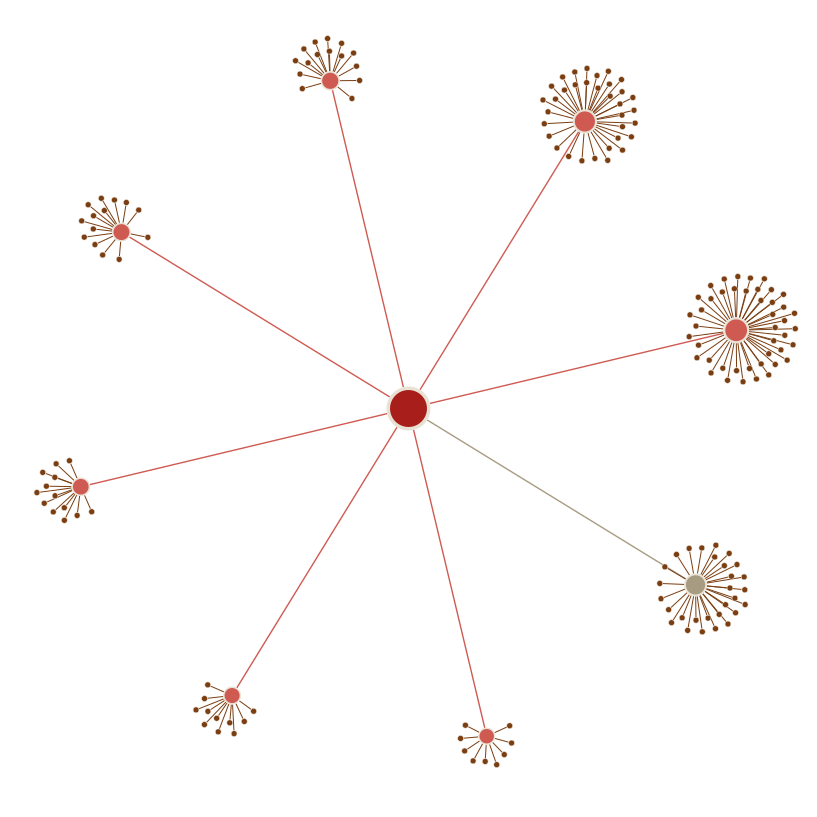
Ben-Gvir was among the most prominent candidates to propose detailed plans for the displacement of Palestinians. The analysis identified at least 10 tweets containing promises and demands concerning Arabs and Palestinians under the next government, nine of which called for measures affecting the population and their rights.
Most of these promises focused on displacing Gaza's population under the banner of "voluntary migration." They went beyond calls for residents to leave the Strip, outlining government plans and mechanisms to implement the policy. Some of his demands also extended to Palestinians in the West Bank.
On September 3, 2026, Ben-Gvir unveiled a plan he called "Disengagement 710," which he said aimed to encourage 1.86 million Gaza residents to emigrate over seven years. To implement this policy, Ben-Gvir pledged to establish a government ministry for migration, with its own powers and budget, to be run by his Otzma Yehudit ("Jewish Power") party.
Ben-GvirRight wing
״התנתקות 710״ - תוכנית שתעודד הגירה מרצון של 1.86 מיליון עזתים בתוך שבע שנים.
"Disengagement 710": a plan to encourage the voluntary emigration of 1.86 million Gazans within seven years.
The migration ministry was not the only position in Ben-Gvir's plans. He also announced his ambition to take charge of the Defense Ministry and make the implementation of his displacement plan its top priority.
Ben-GvirRight wing
תכנית אסטרטגית לעידוד הגירה מרצועת עזה: משרד הביטחון בראשותי יטפל באירוע הזה כיעד הראשון.
"A strategic plan to encourage emigration from the Gaza Strip: the Defense Ministry under my leadership will treat this as its first objective."
Ben-Gvir's agenda also extends to the West Bank, where he called for dismantling the Palestinian Authority, expanding settlements, imposing Israeli sovereignty over Palestinian territories, and encouraging Palestinians to emigrate.
Ben-GvirRight wing
העמדה שלי ברורה: פירוק הרשות הפלסטינית, חיזוק ההתיישבות, החלת ריבונות וקידום הגירה מרצון מעזה ומיהודה ושומרון. זו המדיניות שאקדם כשר הביטחון הבא.
"My position is clear: dismantling the Palestinian Authority, strengthening settlement, applying sovereignty and advancing voluntary emigration from Gaza and from Judea and Samaria. This is the policy I will advance as the next defense minister."
Regarding Palestinian citizens of Israel, he pledged to keep the Ministry of National Security under his party's control, presenting this as a guarantee that the policies he had implemented would continue, including the demolition of buildings classified by Israeli authorities as illegal in the Negev.
Ben-Gvir also made his participation in the next government conditional on the removal of the government's attorney general, criticizing her for obstructing a bill aimed at expelling the families of those who carry out attacks. Taken together, Ben-Gvir's promises combined the displacement of Palestinians and the expansion of Israeli control over their land with efforts to secure control of the government institutions and powers needed to implement these policies.
Right wingSmotrich: Settling One Million Jews and Establishing Settlements
Bezalel Smotrich focused his election promises on changing the demographic balance and strengthening the Jewish presence in the Negev and Galilee, regions with large Arab populations. He devoted most of his promises concerning Arabs and Palestinians to these two regions, pledging to expand the Jewish presence there and counter what he calls the "Arab takeover" of land.
SmotrichRight wing
היעד: מיליון יהודים נוספים בנגב ובגליל, 40 יישובים חדשים
"The goal: one million more Jews in the Negev and Galilee, and 40 new settlements."
To implement his agenda, Smotrich announced that he would demand control of the Israel Land Authority and the Planning Administration for his party in the next government. These are the two bodies responsible for land allocation and regulating construction.
SmotrichRight wing
בקדנציה הבאה נדרוש קבלת אחריות על רמ"י ומנהל התכנון.
"In the next term we will demand responsibility for the Israel Land Authority and the Planning Administration."
Right wingFeiglin: Expelling Arabs and Stripping Them of Rights and Privileges
An analysis of Moshe Feiglin's tweets shows that his demands go beyond the displacement of Palestinians to restricting the rights of Palestinian citizens of Israel within the territories of 1948. All his promises and demands concerning the next government contained hostile rhetoric, including five tweets calling for expulsion, exclusion, or the deprivation of rights.
The slogan "Conquest. Expulsion. Settlement." encapsulates part of his political agenda, which also calls for reserving national and civil rights exclusively for Jews.
FeiglinRight wing
הזכויות הלאומיות והאזרחיות בארץ הזו שייכות לעם ישראל בלבד. [...] אני אמשיך לומר את המילים שהקונספציה שלכם מנסה לקבור: כיבוש. גירוש. התיישבות. ניצחון!!!
"The national and civil rights in this land belong to the people of Israel alone. [...] I will keep saying the words your conception is trying to bury: Conquest. Expulsion. Settlement. Victory!!!"
Feiglin also proposed allocating land for housing construction to Jewish families, with priority given to military personnel, and denying those he considers hostile to Israel's identity the right to remain in the country. In Gaza, he called for a complete halt to humanitarian aid. He also called for the cancellation of the Oslo Accords and the dismantling of the Palestinian Authority.
FeiglinRight wing
משבצות הקרקע לבניה יחולקו לכל משפחה יהודית בישראל וקודם כל ללוחמים.
"Plots of land for building will be distributed to every Jewish family in Israel, and first of all to combat soldiers."
הפתרון הוא שחרור הקרקעות בטאבו: קודם כל ללוחמים שחוזרים מעזה, ובהמשך לכל משפחה יהודית שמקימה כאן בית.
"The solution is to release the land in the land registry: first to the soldiers returning from Gaza, and then to every Jewish family that builds a home here."
Right wingNetanyahu: Pledge to Prevent the Establishment of a Palestinian State
Among Benjamin Netanyahu's election promises, his pledge to prevent the establishment of a Palestinian state that he described as "under Iranian influence" stood out. In a tweet published in August 2026, he stated: "As long as I am prime minister, there will be no Iranian-controlled Palestinian state: not in Gaza, and not in Judea and Samaria. Period."
The rest of his rhetoric focused on warning that his political opponents would form a government dependent on Arab parties or establish a Palestinian state.
NetanyahuRight wing
כל עוד אני ראש הממשלה, לא תקום מדינה פלשתינית שנשלטת על ידי איראן: לא בעזה, ולא ביהודה ושומרון. נקודה.
"As long as I am prime minister, there will be no Palestinian state controlled by Iran: not in Gaza, and not in Judea and Samaria. Period."
OppositionBennett: Disarming Hamas and Tightening Education Requirements
Naftali Bennett pledged to keep Israeli forces in their positions inside Gaza until Hamas was completely disarmed. He also pledged to attack the group if it attempted to rebuild its military capabilities or train its members.
BennettOpposition
לא נזוז מילימטר מהקו הצהוב, עד שחמאס יתפרק לגמרי מנשקו, והנשק יוצא מעזה.
"We will not move a millimeter from the Yellow Line until Hamas is completely disarmed and the weapons are out of Gaza."
Domestically, he pledged to establish a unified state education system for all children, based on a common curriculum that includes "Zionism," and to deny government funding to institutions that fail to comply. Although he did not explicitly mention Arab schools, his pledge would, in principle, apply to them.
BennettOpposition
מי שלא ילמד את הבסיס הישראלי המשותף, לא יקבל שקל מהמדינה. לא ציוני - לא על חשבוני!
"Whoever does not teach the shared Israeli core will not get a shekel from the state. Not Zionist? Not on my account!"
He also promised to classify illegal arms smuggling as a "terrorism" offense and introduce stricter measures to combat it. Although this issue is linked to the debate over crime in Arab communities within Israel, Bennett did not specifically mention Arabs in this pledge.
BennettOpposition
נגדיר את הברחות האמל"ח כטרור. ננקה את הרחובות שלנו מנשקים בלתי חוקיים
"We will define arms smuggling as terrorism. We will clear our streets of illegal weapons."
His promises also included strengthening protection for Israeli communities near the West Bank.
OppositionLieberman: A Government Without Arab Parties
The analysis identified tweets by Avigdor Lieberman containing promises or demands concerning Arabs and Palestinians, most notably his pledge to form a government that excludes Arab parties and ultra-Orthodox Jewish parties (Haredim).
On August 4, 2026, Lieberman published a tweet that received more than one million views, pledging to form a government without these parties and to pass a conscription law covering Jews, Muslims, Christians, Druze, and Circassians.
LiebermanOpposition
בלי המפלגות החרדיות ובלי המפלגות הערביות. לא נפנה שום יישובים ולא תקום מדינה פלסטינית. [...] ונחוקק חוק גיוס לכולם - יהודים, מוסלמים, נוצרים, דרוזים וצ’רקסים.
"Without the Haredi parties and without the Arab parties. We will not evacuate any settlements, and no Palestinian state will be established. [...] And we will pass a conscription law for everyone: Jews, Muslims, Christians, Druze and Circassians."
Regarding Palestinians, Lieberman called for dismantling the Palestinian Authority and canceling the Oslo Accords. On October 8, 2026, he proposed transferring responsibility for managing Palestinians' daily affairs in the West Bank to Jordan instead of the Palestinian Authority, including maintaining public order through a police force.
LiebermanOpposition
ירדן יכולה להיות המדינה שתכנס במקום הרשות ותנהל את חיי היומיום של הפלסטינים ביו"ש, כולל שמירה על הסדר הציבורי באמצעות כוח שיטור.
"Jordan could be the state that steps in for the Authority and runs the daily lives of the Palestinians in Judea and Samaria, including keeping public order through a police force."
In Gaza, he called for the complete occupation of the Strip until Hamas's rule is brought to an end.
LiebermanOpposition
יש לפעול לכיבוש מלא של עזה, עד למיגור שלטון חמאס. [...] אחרי שנסיים את העבודה בעזה, צריך להביא גורם שייקח עליה אחריות.
"We must act for the full occupation of Gaza, until Hamas rule is eradicated. [...] Once we finish the job in Gaza, we need to bring in a party that will take responsibility for it."
OppositionEisenkot and Lapid: Fewer Election Promises
Gadi Eisenkot's promises concerning Arabs and Palestinians centered on a pledge not to allow the establishment of a Palestinian state under the government he seeks to form. His remaining promises addressed the Druze community, whose challenges he pledged his government would address while rewarding its members who serve in the military, and closing gaps along the separation line with the West Bank.
EisenkotOpposition
אין מדינה פלסטינית, ובממשלה שנקים לא תקום מדינה פלסטינית.
"There is no Palestinian state, and in the government we form, no Palestinian state will be established."
Yair Lapid, meanwhile, pledged to pursue a peace agreement with Saudi Arabia while insisting that it be prevented from enriching uranium on its own territory. He also promised tougher penalties for protection racketeering, illegal weapons possession, and agricultural crime.
LapidOpposition
אנחנו יכולים וצריכים לקדם הסכם שלום איתם, אבל יש הסתייגות אחת: ישראל צריכה למנוע בכל מחיר העשרת אורניום על אדמת סעודיה.
"We can and should advance a peace agreement with them, but there is one reservation: Israel must prevent, at any price, uranium enrichment on Saudi soil."
Arabs in the Election Campaigns: Greater Prominence on the Right
The presence of Arabs and Palestinians in Israeli election campaigns was not limited to the promises candidates made concerning them, but extended across a much broader range of campaign rhetoric.
To measure the extent of this presence, "Arabic Post" tracked election-related tweets from the monitored accounts. The analysis showed that approximately 22% directly or implicitly addressed Arabs and Palestinians. This proportion rises to more than one-third when including tweets that mentioned Arabs, Palestinians, or areas where they live without making them the main subject.
This presence was higher on the right: Ben-Gvir led the candidates, with 47% of his election-related tweets addressing Arabs, followed by Netanyahu and Smotrich at 40% each. Among opposition candidates, Gantz ranked first at 21% before his withdrawal, followed by Bennett and Lieberman.
Right wing
Ben-Gvir47% of his election tweets
Netanyahu40% of his election tweets
Smotrich40% of his election tweets
Feiglin39% of his election tweets
Likud account31% of his election tweets
Opposition
Gantz*21% of his election tweets
Bennett17% of his election tweets
Lieberman17% of his election tweets
Golan10% of his election tweets
Lapid9% of his election tweets
Eisenkot8% of his election tweets
Tweets whose subject is Arabs, explicitly or implicitly.
Tweets on another subject that mention Arabs or an Arab place.
Tweets that do not mention Arabs.
* Gantz withdrew from the race on October 19, 2026, after the monitoring period ended.
Mentions of Arabs Peaked in Late September
The analysis showed that the presence of Arabs in right-wing election-related tweets rose sharply during the second half of September 2026, reaching its peak in the week beginning September 28, when 59% of the right wing's election-related tweets addressed Arabs. By contrast, the proportion of opposition tweets addressing Arabs did not exceed 16% during those same two weeks.
This increase coincided with three campaigns led by Smotrich, Ben-Gvir, and Netanyahu and the Likud Party. The first focused on the Negev and Galilee. During the week beginning September 14, 2026, Smotrich recorded his highest weekly number of election-related tweets about Arabs, devoting most of them to land issues and the "Judaization" of the Negev and Galilee.
SmotrichRight wing
מה שעשינו ביו״ש נעשה כפול שלוש בנגב ובגליל
"What we did in Judea and Samaria, we will do three times over in the Negev and Galilee."
The second campaign was led by Ben-Gvir, who published at least 13 election-related tweets addressing Arabs during the week beginning September 28, 2026. These focused on attacking Arab lawmaker Sami Abu Shehadeh and demanding his removal from the Knesset, alongside promoting the displacement of Palestinians from Gaza.
Ben-GvirRight wing
את המחבל הזה עוצמה יהודית דואגת להעיף מהכנסת.
"Otzma Yehudit is making sure to throw this terrorist out of the Knesset."
The third campaign was launched by Netanyahu on September 28, 2026, under the slogan "Right Wing or Palestine." The Likud account posted it the same day in a tweet that received about 109,000 views.
Netanyahu returned to the slogan the following day, presenting it as the central issue of the elections. The analysis documented 11 verbatim repetitions of the slogan during that peak week alone, most posted by Netanyahu and the remainder by the Likud account.
NetanyahuRight wing
הבחירות האלה הם על שאלה אחת: ימין או פלסטין.
"This election is about one question: Right Wing or Palestine."
At the same time, Netanyahu continued linking his opponents to Arab parties, warning that a government involving Arab political forces would, according to his rhetoric, lead to the establishment of a Palestinian state. On September 29, 2026, he grouped Eisenkot, Lieberman, Golan, and the "Muslim Brotherhood" into a single warning.
NetanyahuRight wing
ממשלת שמאל של איזנקוט, ליברמן, יאיר גולן והאחים המוסלמים שתקים מדינה פלסטינית
"A left-wing government of Eisenkot, Lieberman, Yair Golan and the Muslim Brotherhood that will establish a Palestinian state."
The Slogan Reaches the Opposition: Lieberman Turns It Against Netanyahu
The slogan "Right Wing or Palestine" did not remain exclusive to Likud. On September 30, 2026, Lieberman used it against Netanyahu in a tweet that had received approximately 7.6 million views at the time of data collection, making it the most-viewed tweet about Arabs in the election-related sample.
LiebermanOpposition
הבחירות האלה יכריעו: ימין או פלסטין.
"This election will decide: Right Wing or Palestine."
On October 13, 2026, Eisenkot, one of the main targets of Netanyahu's rhetoric, used the same slogan to attack the prime minister, writing: "Benjamin Means Palestine."
However, the difference between the right wing and the opposition went beyond how frequently they discussed Arabs and Palestinians. It also concerned how each camp portrayed them. To examine this distinction, "Arabic Post" classified the tweets according to the dominant portrayal of Arabs and Palestinians.
The findings showed that 226 of the 264 right-wing election-related tweets addressing Arabs fell into five main categories: Arab parties as unacceptable political partners, a Palestinian state as a threat, Arabs as an internal danger, competition over land ownership and control, and calls for the displacement of Palestinians.
Among opposition candidates, nearly half of the tweets addressing Arabs and Palestinians focused on two main portrayals: military threats, through references to Hamas and Hezbollah, and foreign interference, through allegations that Arab countries were intervening in Israeli affairs.
Right-wing election tweets
30%Arab parties as an accusation
21%The danger of a Palestinian state
14%The Arab as terrorist or traitor
11%Judaizing land and demolitions
9%Displacement
14%Other portrayals
Opposition election tweets
26%Hamas and Hezbollah
20%Arab states interfering
9%The danger of a Palestinian state
8%Settler violence
8%Arab parties as an accusation
7%Courting the Arab voter
5%Crime in Arab society
17%Other portrayals
The Right Wing: From Rejecting Arab Parties to Calling for Displacement
The portrayal of Arab parties as unacceptable political partners was the most prevalent among right-wing candidates. Netanyahu alone authored more than half of the tweets in this category, using this narrative to warn voters against supporting his rivals and arguing that their victory would lead to a government dependent on Arab parties.
For example, on August 27, 2026, he warned against a government bringing together Gadi Eisenkot, Yair Golan, and Arab parties.
NetanyahuRight wing
אנחנו נקבל ממשלת שמאל של איזנקוט עם יאיר גולן והמפלגות הערביות
"We will get a left-wing government of Eisenkot with Yair Golan and the Arab parties."
This portrayal was not exclusive to Netanyahu. It also appeared across other right-wing accounts and even among some opposition candidates. On October 3, 2026, Gantz, before withdrawing from the race, criticized opposition parties, arguing that they were seeking to form a government dependent on Arab parties to secure a parliamentary majority.
GantzOpposition
התוכנית של מפלגות האופוזיציה היא להקים שוב ממשלה צרה שנשענת על המפלגות הערביות.
"The opposition parties' plan is to once again form a narrow government that relies on the Arab parties."
Some right-wing tweets, however, went beyond rejecting Arab political participation to accusing Arab lawmakers and their voters of supporting terrorism. This portrayal appeared prominently in right-wing tweets.
Ben-GvirRight wing
כנ״ל כל יתר הסיעה הזו שמתחרה עם טיבי על קולות תומכי הטרור
"The same goes for the rest of this faction, which competes with Tibi for the votes of terror supporters."
Feiglin extended the accusation to Arab citizens of Israel, claiming that they were responsible for more than 20% of attacks he described as "terrorist" incidents.
FeiglinRight wing
אתם, ערביי ישראל, שאחראים ללמעלה מ-20% ויותר מכלל הפיגועים - אנחנו מפחדים מכם.
"You, the Arabs of Israel, who are responsible for more than 20% of all attacks: we are afraid of you."
In at least 30 right-wing tweets, candidates addressed the Arab presence and urban expansion in areas within the occupied territories, particularly the Negev and Galilee. Smotrich alone published 24 of these tweets, portraying Arab construction and expansion as a "takeover" of land and proposing increased Jewish settlement as a means of countering it.
SmotrichRight wing
תוכנית הנגב והגליל שלנו תבלום את ההשתלטות הערבית ותחזק את ההתיישבות היהודית בנגב ובגליל
"Our Negev and Galilee plan will halt the Arab takeover and strengthen Jewish settlement in the Negev and Galilee."
Displacement, meanwhile, was the main subject of 25 right-wing election-related tweets. Some of these tweets contained promises of measures to implement displacement under the next government.
The Opposition: Arabs Portrayed as a Military Enemy
Among opposition candidates, the portrayal of Arabs as a military enemy was the most prevalent in the tweets. Lieberman, followed by Bennett, led the candidates who used this portrayal, with most of the tweets focusing on Hamas and Hezbollah.
The second most common portrayal depicted Arab countries as actors interfering in Israeli politics. Bennett was responsible for most of the tweets presenting this narrative. Netanyahu and the Likud Party, meanwhile, also accused Arab countries of seeking to bring down his government
Likud accountRight wing
מדינות ערב רוצות להפיל את ראש הממשלה נתניהו
"Arab states want to bring down Prime Minister Netanyahu."
From Fearmongering to Incitement: Hostile Rhetoric Concentrated on the Right
Beyond the different portrayals of Arabs and Palestinians presented by Israeli election contenders, an analysis of their tweets reveals another dimension of campaign rhetoric: the degree and intensity of hostility.
Of the 433 election-related tweets addressing Arabs and Palestinians, 330 (76%) contained at least one form of hostile rhetoric.
The analysis identified four forms of such rhetoric:
Fearmongering: Portraying Arabs or Arab countries as a threat.
Denigration.
Hatred and incitement: Calls for expulsion, displacement, collective punishment, violence, or deprivation of rights.
Mockery: Ridiculing Arabs or their lawmakers, or using Arabs and the Arabic language to stigmatize political opponents.
A single tweet could contain more than one form.
Fearmongering
70%of right-wing tweets about Arabs
41%of opposition tweets about Arabs
Denigration
38%of right-wing tweets about Arabs
1%of opposition tweets about Arabs
Hatred and incitement
25%of right-wing tweets about Arabs
5%of opposition tweets about Arabs
Mockery
9%of right-wing tweets about Arabs
6%of opposition tweets about Arabs
The analysis also revealed differences within the right-wing camp itself. Netanyahu relied primarily on fearmongering, which appeared in nearly all his tweets addressing Arabs, while Smotrich, Ben-Gvir, and Feiglin combined fearmongering, denigration, and incitement.
Arabs in AI-Generated Election Campaign Videos
The use of Arabs and Palestinians in Israeli election campaigns was not limited to statements and tweets. "Arabic Post" documented candidates using artificial intelligence to produce videos depicting Palestinian families asking to leave Gaza, Arab citizens fearing the Judaization of the Negev and Galilee, and Israeli politicians submitting to Mansour Abbas, leader of the United Arab List.
To identify these materials, the investigation relied on manual searches for videos involving the use of artificial intelligence in political posts across Facebook, X, and Instagram.
Ben-Gvir: AI-Generated Palestinians Ask to Leave Gaza
On October 10, 2026, Ben-Gvir published a video depicting a Palestinian family asking him for help to leave Gaza. He then appears signing "voluntary migration" documents, and the video ends with the family happily preparing to depart.
On September 29, 2026, Ben-Gvir published another video titled "From Gaza to Ireland," depicting Palestinian families relocating to Ireland. He claimed that more than 1.5 million Gaza residents wanted to leave the Strip, while promoting the "Disengagement 710" plan advocated by his party.
Smotrich Creates an Arab Man Afraid of the Judaization of the Negev and Galilee
On August 27, 2026, Smotrich published an election campaign video featuring an Arab man who fears his plans to expand Jewish settlement in the Negev and Galilee. The video ends by promoting these plans under the slogan "Yes, We Judaize." Smotrich accompanied the video with a post beginning with the phrase "Ahmed Has Something to Fear," referring to the Arab character featured in it.
The use of artificial intelligence also extended to portraying the participation of Arab parties in government as a political threat.
On September 27, 2026, Netanyahu published a video depicting a fictional cabinet meeting attended by opposition leaders. Mansour Abbas appears reclining with his feet raised and a hookah in front of him, while proposals concerning the Negev, Palestinian prisoners, a Palestinian state, and other issues are rejected during the meeting. The video ends with a call to vote for Likud.
Ben-Gvir used the same concept on October 4, 2026, in a satirical video showing opposition leaders serving Abbas: Lapid serves drinks and drives his car, Bennett sweeps the floor, and Gantz washes the dishes.
Punishment and Demolition: Turning Policies into Campaign Imagery
Ben-Gvir also used artificial intelligence to promote his security policies. He published a video showing a prisoner eating excessively in scenes described as the "good old days," before appearing emaciated and crying inside his cell under the slogan "The Ben-Gvir Diet," a mocking reference to tougher conditions for prisoners.
The videos examined by "Arabic Post" reveal an aspect of campaign rhetoric that written text alone does not capture. A tweet may contain no reference to Arabs or Palestinians, while its accompanying video centers on their portrayal, as seen in Netanyahu's videos featuring Mansour Abbas and Palestinian and regional figures.
Because the analysis relied on the text of tweets, these visual representations were not necessarily reflected in the findings concerning the presence of Arabs and Palestinians or how they were portrayed.
These videos demonstrate how the use of Arabs and Palestinians in election campaigns extended beyond written rhetoric to the AI-generated creation of fictional characters, events, and conversations, attributing statements and actions to them in ways that serve candidates' political messages.
More examples
More AI-generated videos by the contenders
Each video here carries an AI-disclosure label inside it.
AI
Netanyahu
In video-game style: Eisenkot and Lieberman "will establish a Palestinian state"
Hostile Rhetoric Toward Arabs and Palestinians in Israeli Users' Replies
Replies from Israeli users to candidates' tweets reveal another dimension of hostile rhetoric toward Arabs and Palestinians, in some cases escalating to calls for expelling Arab citizens, revoking their citizenship, and depriving them of the right to vote.
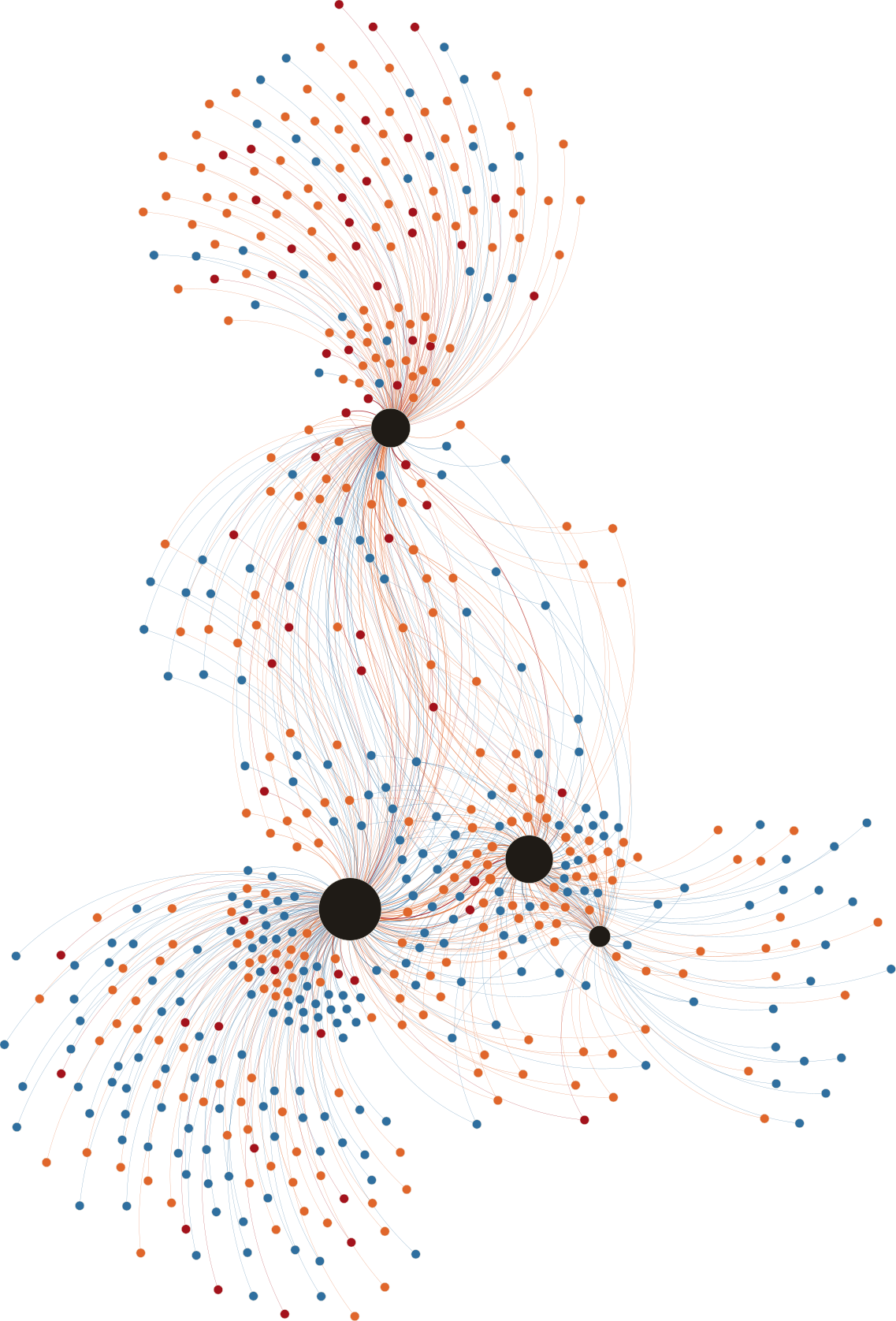
To examine this, "Arabic Post" analyzed 8,229 tweets published between September 15 and October 15, 2026. These included replies to the accounts of Netanyahu, Likud, Ben-Gvir, and Smotrich, as well as search results using terms related to the elections, Arabs, Palestinians, and Gaza.
The analysis focused on identifying tweets addressing Arabs and Palestinians, documenting instances of fearmongering, denigration, hatred and incitement, or mockery, and distinguishing political criticism from explicit calls for expulsion, violence, or deprivation of rights.
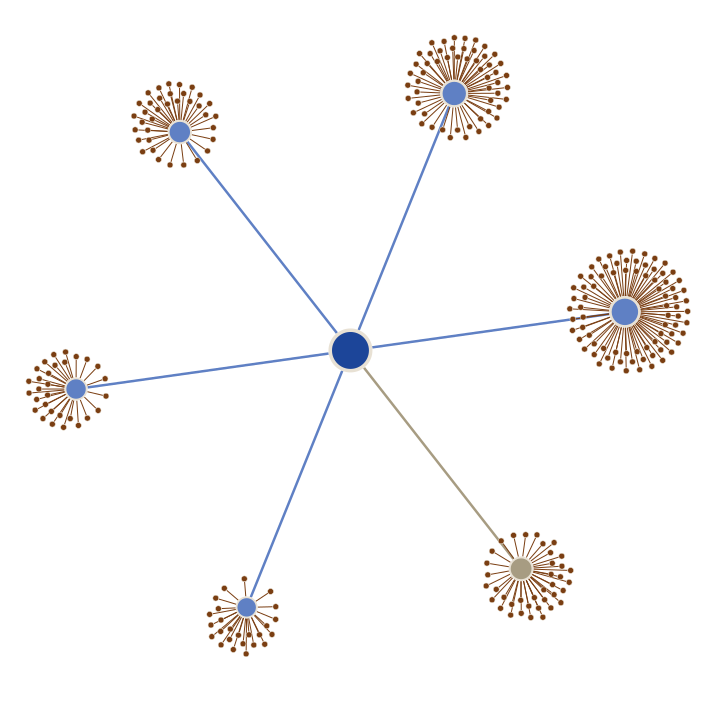
SmotrichBen-GvirNetanyahuLikud
Accounts that wrote replies containing explicit incitement.
Accounts that wrote replies containing hostile rhetoric.
Accounts that addressed Arabs in their replies without hostility.
The candidate; circle size reflects the number of election replies to his tweets.
More Than Half of Replies Addressing Arabs Contained Hostile Rhetoric
Of the 4,231 election-related replies to tweets from the four accounts, 714 directly or implicitly addressed Arabs and Palestinians. Among these, 399 replies (56%) contained at least one form of hostile rhetoric.
Fearmongering was the most prevalent, followed by hatred and incitement, then denigration, with the latter two appearing in similar numbers. Mockery was the least common. A single reply could contain more than one form.
Portrayals of Arabs in Candidates' Rhetoric and Audience Replies
Three portrayals that also featured prominently in right-wing candidates' rhetoric recurred in users' replies:
The struggle over land and JudaizationMost of these appeared under Smotrich's posts about the Negev and Galilee.
Arabs as an internal danger
Arab parties as unacceptable political partners
Replies
Each dot is a reply by an Israeli user to right-wing candidates' tweets that addressed Arabs, attached to the portrayal it presented.
Ben-Gvir: The Most Hostile Replies
Hostility was particularly concentrated under Ben-Gvir's tweets. Approximately three-quarters of replies addressing Arabs contained hostile rhetoric, compared with fewer than half of those under Smotrich's tweets.
More than half of the relevant replies under Ben-Gvir's posts concerned Arab lawmakers and parties, particularly demands to remove them from the Knesset.
Israeli userReply to a Ben-Gvir tweet
לכל מי שתומך בטבח או בחמאס ההגיון הבסיסי שצריך לשלול להם אזרחות ולכלוא אותם
"Anyone who supports the massacre or Hamas: basic logic says their citizenship must be revoked and they must be jailed."
הוא וכל המפלגות הערביות מתנהגים כארגון טרור בכנסת ושנים לא עוצרים אותם. הגיע הזמן להעלים אותם מהכנסת.
"He and all the Arab parties behave like a terror organization in the Knesset, and for years no one has stopped them. It is time to make them disappear from the Knesset."
From Supporting Candidates to Demanding Expulsion and Citizenship Revocation
The analysis also identified dozens of replies containing calls for expulsion, displacement, citizenship revocation, or deprivation of rights. Approximately two-thirds of these appeared under Ben-Gvir's posts alone.
The authors of more than half of these replies formulated the demands themselves, while the remainder simply endorsed similar demands expressed in candidates' tweets.
Israeli userReply to a Ben-Gvir tweet
אסור בכלל לתת למי שלא יהודי להצביע בארץ במיוחד לערבים
"Non-Jews should not be allowed to vote in this country at all, especially Arabs."
These examples reveal how some users moved beyond supporting candidates to demanding measures affecting Arab citizens' rights to vote, retain citizenship, and remain in the country.
Although most of these replies received limited exposure, they reveal the nature of the rhetoric adopted by some users in election-related discussions concerning Arabs.
Gaza, Lebanon, Syria, and Iran in the Election Campaigns
Israel's electoral contest also extended to regional wars and tensions, which candidates used either to defend their records or accuse their opponents of failure.
"Arabic Post" reviewed posts related to Gaza, Lebanon, Syria, and Iran, excluding results unrelated to these issues. The monitoring included election-related, government-related, and other posts, meaning these figures differ from those in previous sections, which focused exclusively on election-related content.
Gaza topped the list with 278 tweets, followed by Lebanon with 73, Iran with 62, and Syria with 20.
Gaza: Disagreement Over the Strip's Future
Disagreements over Gaza centered on whether Hamas would remain in power and how the Strip would be governed in the future. Netanyahu and his allies presented military operations as achievements of their government and warned that the opposition would withdraw Israeli forces if it came to power. The opposition, meanwhile, accused them of failing to end Hamas's rule.
Regarding their visions for Gaza's future, Ben-Gvir called for the displacement of its population, while Feiglin advocated occupation, expulsion, and settlement. Smotrich, meanwhile, announced that the Settlement Administration under his supervision was ready to establish three settlements in northern Gaza.
SmotrichRight wing
מנהלת ההתיישבות בראשותי ערוכה להקמת 3 יישובים בתוחמת הצפונית של רצועת עזה
"The Settlement Administration under my leadership is ready to establish 3 settlements in the northern part of the Gaza Strip."
Despite their differing visions, Gaza's residents received limited attention in discussions about the Strip's future. They appeared primarily in calls for displacement or in defenses of Israeli military operations against accusations of targeting civilians.
Lebanon: Right-Wing Achievements and Opposition Criticism
In at least 73 tweets addressing Lebanon or Hezbollah, the right wing portrayed military operations, including the assassination of Hassan Nasrallah and strikes against Hezbollah positions, as security achievements. The opposition, by contrast, argued that Hezbollah's continued military capabilities demonstrated that the war's objectives had not been achieved.
The disagreement extended to Israel's military presence in Lebanon, with Smotrich calling for the army to maintain a permanent presence in a broad buffer zone.
SmotrichRight wing
והישארות קבועה של צה"ל ברצועת ביטחון רחבה ונקיה מטרור הם מאמצים הכרחיים לביטחון ולתחושת הביטחון של תושבי הצפון עד לפירוק מוחלט של חיזבאללה
"A permanent IDF presence in a wide security zone cleared of terror is essential for the security, and the sense of security, of northern residents, until Hezbollah is completely dismantled."
Golan, meanwhile, warned against repeating Israel's previous security-belt experience, calling for a combination of military action and political initiatives.
GolanOpposition
גם אז אמרו שאזור ביטחון יביא ביטחון. גם אז האמינו שנוכחות קבועה מעבר לגבול היא הפתרון [...] אסור לנו לחזור על אותה טעות. [...] הדרך הנכונה משלבת עוצמה צבאית עם מהלך מדיני.
"Back then, too, they said a security zone would bring security, and back then, too, they believed a permanent presence across the border was the solution [...] We must not repeat the same mistake. [...] The right way combines military strength with a diplomatic move."
The rhetoric focused on Hezbollah, the Israeli military, and the northern border, while largely overlooking the conditions of displaced Lebanese civilians, destruction, and humanitarian needs. The main exceptions were references by Netanyahu to civilians whom he accused Hezbollah of using as "human shields."
Syria received the least attention, with 20 tweets, most of which contained brief security-related references to the Turkish presence and Israeli strikes.
Iran: Achievement in Netanyahu's Rhetoric, Failure in the Opposition's
In at least 60 tweets addressing Iran, Netanyahu presented military operations as achievements of his government, referring to the assassination of Iranian Supreme Leader Ali Khamenei and nuclear scientists, and claiming to have saved Israel from what he described as the threat of nuclear annihilation.
NetanyahuRight wing
את חיסול חמינאי, את חיסול מדעני הגרעין האיראניים ומעל הכל - את הצלת ישראל מהשמדה על ידי פצצות אטום של איראן
"The elimination of Khamenei, the elimination of Iran's nuclear scientists and, above all, saving Israel from annihilation by Iran's atomic bombs."
The opposition, however, questioned whether the confrontation had achieved its objectives. On October 9, 2026, Eisenkot stated that the Iranian regime remained in power and that its nuclear capabilities had not been completely destroyed.
EisenkotOpposition
באיראן המשטר עודנו עומד והיכולות הגרעיניות לא הושמדו לחלוטין
"In Iran the regime is still standing, and its nuclear capabilities have not been completely destroyed."
Despite differing assessments of the results, the analysis found no calls for a political agreement with the Iranian regime. Instead, demands focused on continued military pressure, sanctions, or regime change.
Ultimately, Arabs and Palestinians were not portrayed uniformly across these campaigns. Their portrayal varied according to political camps and electoral messaging. The right wing presented Arab parties as political partners whose participation in government should be feared, while portraying Arabs as an internal security threat. The opposition focused primarily on Hamas, Hezbollah and Arab countries, depicting them as military threats or actors interfering in Israeli politics. The contest eventually saw Netanyahu and his opponents turn the same slogan, "Right Wing or Palestine," against one another.
Despite differences in the substance and intensity of their rhetoric, these campaigns turned issues affecting Arabs and Palestinians into tools of electoral competition. Their presence as people with rights and interests directly affected by the proposed policies remained less prominent than their use as political leverage by competing candidates.
The question, therefore, goes beyond who will form the next government. It also concerns how many of these positions and promises will become government decisions, and how they could affect the lives of millions of people, many of whom have no vote in the elections in which their future is being debated.