Arabic Post maps the money the American Israel Public Affairs Committee, or AIPAC, has spent backing pro-Israel Democratic and Republican candidates, and sets out where those candidates stand on the wars in Gaza and Iran. The analysis draws on an extensive review of Federal Election Commission filings by AIPAC PAC and the United Democracy Project, and on calculations by Chamberlight, a platform that tracks U.S. congressional campaign finance.
The battle over support for Israel in the U.S. midterm elections began early, in the primaries that decide who will be on the ballot in November. In those contests, AIPAC moved to back Democrats and Republicans who support the relationship between Washington and Israel, and to oppose others who criticize Israeli policies.
AIPAC operates through two electoral arms: a political action committee that contributes to candidates' campaigns and channels individual donations to them, and the United Democracy Project, which pays for independent ads supporting or opposing candidates. Its support reaches both Democrats and Republicans, and in previous cycles the committee spent millions of dollars against members of Congress who criticized the war on Gaza, and to back their primary challengers.
But heavy spending does not guarantee that every candidate it backs will win. In the 2026 cycle, Melissa Conyers-Ervin lost the Democratic primary in Illinois even though the committee spent about $5 million to support her, while Adrian Boafo and Ed Gallrein won two races in which they had its backing.
Those results, together with financial disclosures and the candidates' own positions, make it possible to examine AIPAC's support: how large it is, how it is distributed, how far its beneficiaries have advanced, and where they stand on the war on Gaza, arming Israel, aid to Palestinians and recognition of a Palestinian state.
This report answers:
Which candidates has AIPAC most prominently backed, and which of them made it to the November election?
How is its support divided between the two parties, and between the primaries and the general election?
Where do these candidates stand on Middle East issues?
And how has the scale of that support changed over the past three election cycles?
01
What are AIPAC, its political action committee and the United Democracy Project?
The American Israel Public Affairs Committee is a U.S. lobbying organization that works to strengthen ties between Washington and Israel and to persuade the U.S. government to adopt policies that support that relationship, according to its official website.
The organization has two electoral arms that work in different ways. The first, AIPAC PAC, was founded in December 2021 and contributes to candidates' campaigns within legal limits, up to $5,000 per candidate per election. It also serves as a conduit for individual donations earmarked for specific campaigns; those are attributed to the original donors and are separate from contributions the committee makes from its own funds.
The second, the United Democracy Project, was set up in January 2022 as an independent-expenditure-only committee, known as a super PAC. It can raise and spend unlimited sums to support or oppose candidates, but it cannot donate directly to their campaigns. The committee says its goal is to elect members of Congress who support the U.S.-Israel relationship.
AIPAC
American Israel Public Affairs Committee
First arm
AIPAC PAC
Founded: December 2021
Tool: Direct contributions to candidates' campaigns
Limit: $5,000 per candidate per election
Channels individual donations earmarked for specific campaigns
Candidates' campaigns →
Second arm
United Democracy Project (super PAC)
Founded: January 2022
Tool: Independent ads supporting or opposing candidates
Limit: None; unlimited fundraising and spending
Cannot donate directly to campaigns
Ads outside the campaigns →
02
How much support has AIPAC given congressional candidates in the 2026 cycle, and how is it split between campaign contributions and independent spending?
The super PAC spent $53.4 million to support congressional candidates between January 2025 and the end of August 2026, according to Federal Election Commission filings. This is money spent outside the campaigns; candidates do not receive it directly.
The committee also gave $13.1 million to other political committees, according to the Federal Election Commission.
Some $47.8 million reached candidates' campaigns through AIPAC PAC, according to calculations by Chamberlight, a platform that tracks congressional campaign finance. The figure includes the committee's own contributions as well as individual donations routed through it to specific campaigns.
Total disbursements by the two committees came to $134.1 million over the same period, including about $19.3 million in operating expenses. That total covers campaign funding, independent spending, transfers and refunds, so not all of it represents support that reached candidates. The figures run through the end of August, before spending on the November election is complete, according to official filings and the super PAC's disclosures.
$134.1 million
Total disbursements by the two committees through August 2026
$19.3 million
Of which operating expenses
03
Which candidates did it most prominently back, and which of them made it to November?
About 346 candidates benefited from funding through AIPAC PAC and the super PAC during the 2026 cycle, according to calculations by Chamberlight based on filings through Aug. 31, as shown in its list of recipients.
Below are 15 prominent names, combining the top recipients of funding through AIPAC PAC with candidates the super PAC has backed.
11 advanced to November1 lost the special election but is still in the November race3 did not advance
1
Susan Collins
Maine
RepublicanAdvanced to November
$3.06M via AIPAC PAC
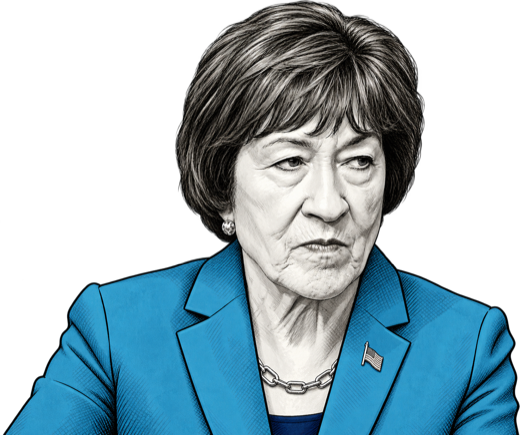
The Republican senator topped the list of recipients of money through AIPAC PAC, with about $3.06 million. She advanced to the November election after winning her party's nomination unopposed in the primary.
2
Wesley Bell
Missouri
DemocratAdvanced to November
$2.30M via AIPAC PAC
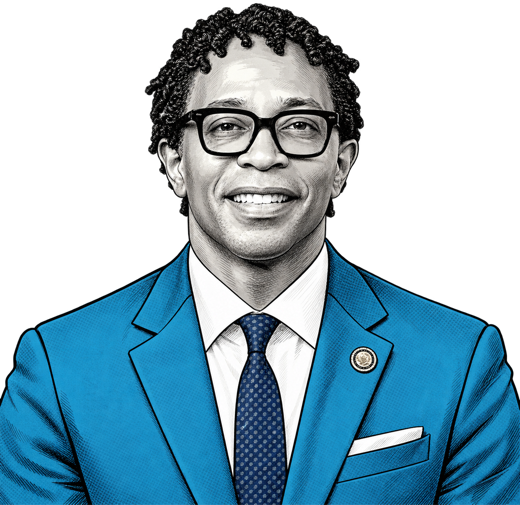
The Democratic congressman received about $2.30 million through AIPAC PAC. He also benefited from the super PAC, which spent about $3 million in his race against Cori Bush, most of it to oppose her. Bell won the primary and advanced to November.
3
Tom Cotton
Arkansas
RepublicanAdvanced to November
$1.10M via AIPAC PAC
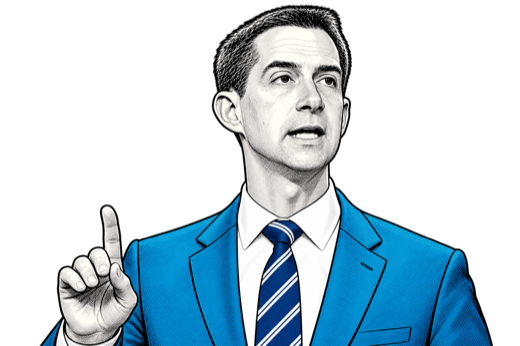
The Republican senator received about $1.10 million through AIPAC PAC. He won the Republican primary, advancing to the November election.
4
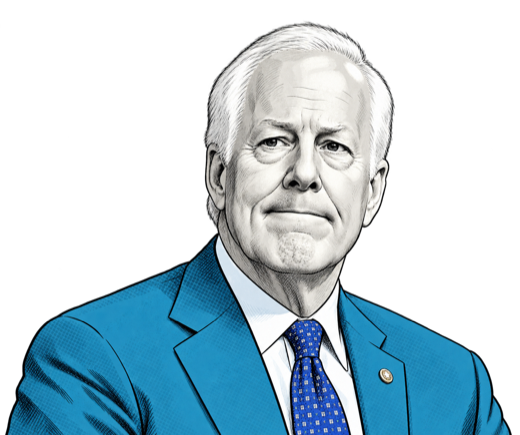
John Cornyn
Texas
RepublicanDid not advance
$1.06M via AIPAC PAC
The Republican senator received about $1.06 million through AIPAC PAC. But he lost the primary runoff and did not advance to November.
5
Ritchie Torres
New York
DemocratAdvanced to November
$855K via AIPAC PAC
The Democratic congressman received about $855,000 through AIPAC PAC. He won his party's nomination and will contest the November election.
6
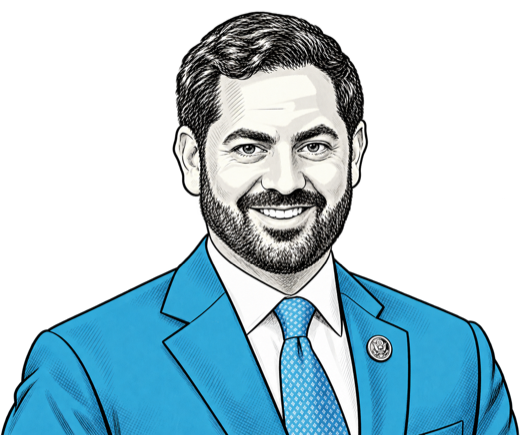
Jared Moskowitz
Florida
DemocratAdvanced to November
$852K via AIPAC PAC
The Democratic congressman received about $852,000 through AIPAC PAC. He won the Democratic primary and advanced to November.
7
Dan Sullivan
Alaska
RepublicanAdvanced to November
$850K via AIPAC PAC
The Republican senator received about $850,000 through AIPAC PAC. He advanced to November under Alaska's system, which allows four candidates to move on from the primary.
8
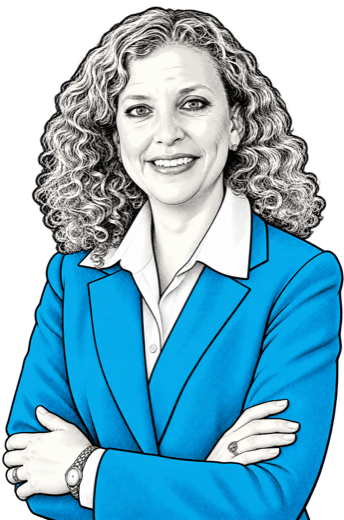
Debbie Wasserman Schultz
Florida
DemocratAdvanced to November
$847K via AIPAC PAC
The Democratic congresswoman received about $847,000 through AIPAC PAC. She won her primary and remains in the running for November.
9
Mike Lawler
New York
RepublicanAdvanced to November
$812K via AIPAC PAC
The Republican congressman received about $812,000 through AIPAC PAC. He advanced to November after winning his party's nomination unopposed.
10
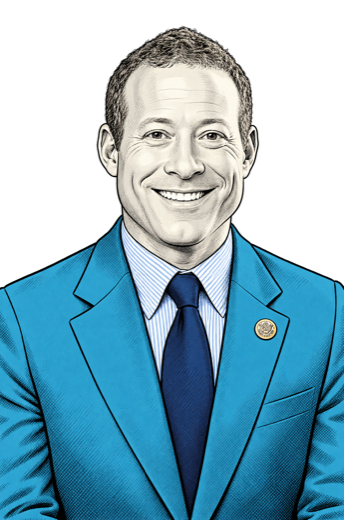
Josh Gottheimer
New Jersey
DemocratAdvanced to November
$789K via AIPAC PAC
The Democratic congressman received about $789,000 through AIPAC PAC. He advanced to November without opposition in his party's primary.
11
Adrian Boafo
Maryland
DemocratAdvanced to November
Backed by super PAC spending
Boafo benefited from super PAC spending in his support. He won the Democratic primary in the 5th District on June 23 and will face Republican Chris Chaffee in November for the seat being vacated by Steny Hoyer.
12
Ed Gallrein
Kentucky
RepublicanAdvanced to November
$0.5M in super PAC spending to support him
The super PAC spent nearly half a million dollars supporting Gallrein and more than $3 million opposing his rival, Thomas Massie. Gallrein won the Republican nomination in the 4th District on May 19 and advanced to November.
13
Melissa Hernandez
California
DemocratStill in November race
$2.5M+ from the super PAC and affiliated groups
Hernandez benefited from super PAC spending in her contest against Aisha Wahab, but lost the August special election to serve out the remainder of the seat's term. Even so, she will face Wahab again in November for a full term, which keeps her in the midterm race.
14
Haley Stevens
Michigan
DemocratDid not advance
$31M+ in super PAC spending
Stevens lost the Democratic Senate primary to Abdul El-Sayed and did not advance to November. Her defeat came despite the super PAC spending more than $31 million on ads supporting her and opposing her rival, according to The Washington Post.
15
Melissa Conyers-Ervin
Illinois
DemocratDid not advance
$5M in super PAC spending to support her
The super PAC spent about $5 million supporting her in the 7th District primary. But she lost the Democratic contest on March 17 and did not advance to November.
04
How was support divided between Democrats and Republicans, and between the primaries and the general election?
Republicans received the larger share of the money channeled to campaigns through AIPAC PAC in the 2026 cycle. Most of the super PAC's independent spending, by contrast, went to contests between Democrats.
Funding through AIPAC PAC: a bigger share for Republicans
According to Chamberlight, Republican candidates received about 53% of the money distributed through AIPAC PAC through Aug. 31, compared with about 47% for Democrats. The site notes that the Republican share is up from 37% at the same point in the 2024 cycle. These percentages measure the value of the funding, not the number of candidates who received it.
Most of the money passing through AIPAC PAC consists of individual donations earmarked for specific candidates, according to a review of financial filings by Sludge.
Independent ads: a focus on Democratic contests
Democratic races accounted for about 92% of the super PAC's independent spending, compared with about 8% for the Republican contest between Ed Gallrein and Thomas Massie in Kentucky. These are approximate shares, calculated from the amounts spent supporting and opposing candidates in each race and excluding transfers to other committees, according to Chamberlight data.
That does not mean the money was backing the Democratic Party against Republicans; it also paid for ads against Democratic candidates. The most prominent example is the Michigan race, where The Washington Post tracked more than $31 million in spending to support Haley Stevens and oppose Abdul El-Sayed. Reports have also documented super PAC spending to support Adrian Boafo and Melissa Conyers-Ervin and to oppose Tom Malinowski.
Primaries accounted for most of the super PAC's spending
Through the end of August, most of the super PAC's spending was tied to primaries to choose party nominees, along with a special election in California to fill the remainder of a vacant seat's term.
For the money distributed through AIPAC PAC, the aggregate data available does not allow a precise split between primaries and the general election. According to the Federal Election Commission, a contribution designated for the general election can be made before the primary takes place. Separating the two phases therefore means reviewing the designation recorded for each contribution, rather than relying on the date it was made.
05
Where do the most prominent backed candidates stand on Israel, Gaza, Palestine, Iran and other Middle East issues?
Click on any figure to read their full profile: why they matter to AIPAC, their ties to Israel and their record on Palestinians
06
How has the scale of AIPAC's support and spending changed across the 2022, 2024 and 2026 cycles?
Total funding that reached campaigns through AIPAC PAC and the super PAC rose from $43.2 million in the 2022 cycle to $91.6 million in 2024, and stood at $101.2 million through the end of August 2026. These figures include campaign funding and independent ads, but exclude operating expenses and transfers to other committees, according to Chamberlight.
The number of candidates benefiting from the two committees rose from about 376 in the 2022 cycle to 398 in 2024, compared with about 346 through the end of August 2026, based on a cross-check of Chamberlight's lists in which each candidate is counted once even if they benefited from both committees.
The counts include recipients of funding through AIPAC PAC, net of refunds, and candidates the super PAC supported with ads; they exclude candidates it spent money opposing. Financial support in the current cycle has therefore already surpassed the 2024 total, even though the number of beneficiaries recorded so far is lower.
07
How much is being spent on midterm campaigns?
$2.8 billion
Raised by House and Senate candidates' campaigns
$2.04 billion
Spent by the campaigns between January 2025 and the end of June 2026
Campaigns for House and Senate candidates spent about $2.04 billion between January 2025 and the end of June 2026, after raising about $2.8 billion, according to the Federal Election Commission.
The spending figure covers only candidates' own campaign expenditures and does not include outside spending by political committees acting independently to support or oppose them. It also covers only the first 18 months of the cycle, leaving out campaign spending in the final months before the November vote.
Sources and methodology: Figures are based on Federal Election Commission filings by AIPAC PAC and the United Democracy Project, on calculations by Chamberlight, a platform that tracks congressional campaign finance, and on reporting by FactCheck.org, The Washington Post, JTA and Sludge. Unless otherwise stated, the data run through the end of August 2026, before spending on the November election is complete.