☽

Arabic Post traced how, over roughly a decade and a half, Israel built a growing network of military ties with Greece and Cyprus, on the opposite side of the Eastern Mediterranean from Turkey. Through this network, Israel helped strengthen the two countries’ military capabilities and tied parts of their armament, training, and defense industries to long-term Israeli contracts, while expanding the scope available to its own forces to use their geography for training and military activity.
This expansion is taking place in one of the most sensitive regions for Turkey. Greece has been locked in disputes with Ankara for decades over the Aegean Sea and its islands, while Cyprus has been divided since 1974, with Turkish forces stationed in the north and the Republic of Cyprus in the south.
When the milestones of military cooperation between Israel, Greece, and Cyprus are compared with shifts in relations between Ankara and Tel Aviv, it becomes clear that some of the most significant leaps coincided with severe Turkish-Israeli crises. Yet the cooperation also continued to expand during periods of reconciliation.
To reconstruct this network, we compiled its scattered details from statements by defense and foreign ministries, official agreements, parliamentary records, and announcements of arms deals and joint military exercises.
There is still no formal defense alliance between Israel, Greece, and Cyprus, nor any publicly declared permanent Israeli military base on their territory. However, the trajectory of relations among the three parties reveals a gradual expansion of military ties through which Israel has broadened the space available to it for training and military activity beyond its limited geographic confines, while at the same time contributing to the strengthening of the military capabilities of two countries engaged in longstanding strategic disputes with Turkey.
Military relations between Israel, Greece, and Cyprus represent a notable case in Tel Aviv’s military ties with Europe. They are not limited to arms sales or joint exercises, but also encompass agreements governing the presence of forces, training programs, long-term contracts to build military capabilities, and multibillion-euro arms deals.
In this investigation, Arabic Post maps these agreements and the types of Israeli weapons and technologies used in Greece and Cyprus. The findings show that this presence is steadily expanding and is taking shape directly across the Mediterranean from Turkey. The sequence and nature of the deals also show that the relationship among the three countries has deepened step by step.
This map is divided into two main tracks: Greece and Cyprus. You can go directly to the track you want to read, or continue reading the full report.
The latest agreement signed by Israel and Greece as of the publication date of this report represents the newest and largest milestone yet in military relations between the two countries, and comes at the height of Israeli-Turkish tensions.
Under an agreement signed by the two sides at the end of August 2026, Israel will build a system known as the “Achilles Shield” on Greek territory, worth €3 billion. It will consist of a multilayered network designed to defend against aircraft, ballistic missiles, and drones.
The deal is exceptional in the history of military relations between Tel Aviv and Athens. It is, to date, their largest defense deal and one of the largest arms export deals in Israel’s history. Its significance is further heightened by the fact that it marks the first time the Israeli Ministry of Defense has supplied another country with a fully integrated defense system.
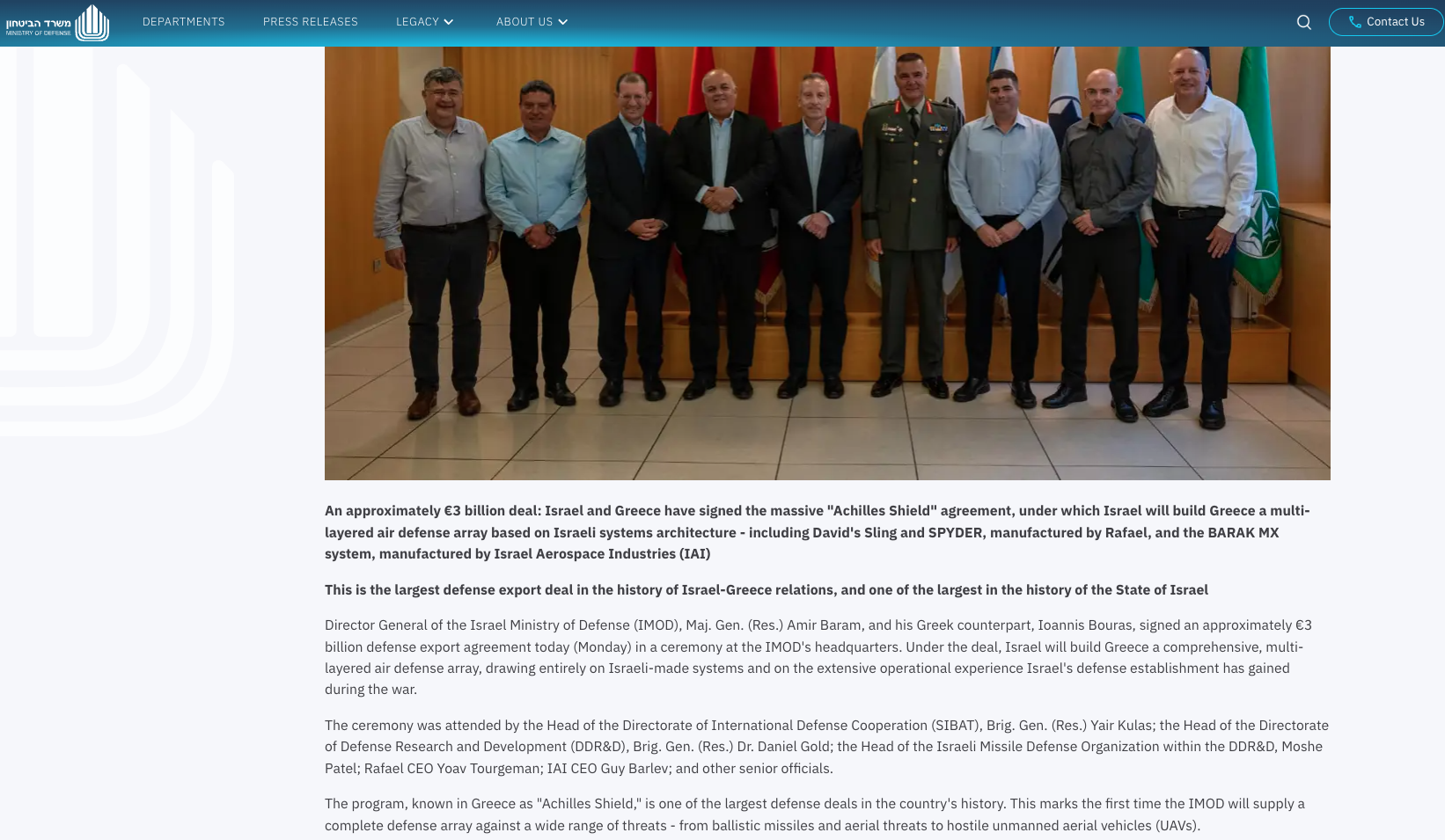
Arabic Post traced the components of the network and found that it includes at least five Israeli systems and capabilities, each serving a different function. (For details on the five Israeli systems, click on the interactive table below; to skip the table, click here.)
Skip the systems walkthrough ↩
Interception
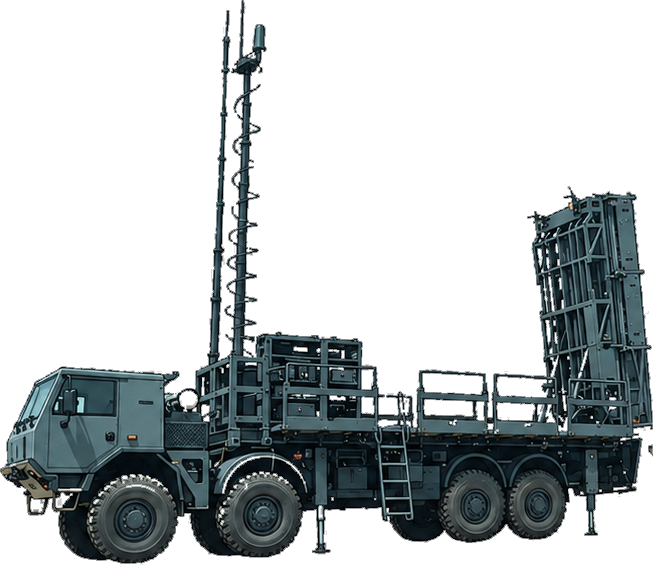
David’s Sling: An Israeli-American air and missile defense system developed by Israel’s Rafael. It constitutes the medium-to-upper layer of Israel’s defense network and is designed to intercept a broad range of threats, including missiles—among them cruise missiles—as well as aircraft and drones.
Interception
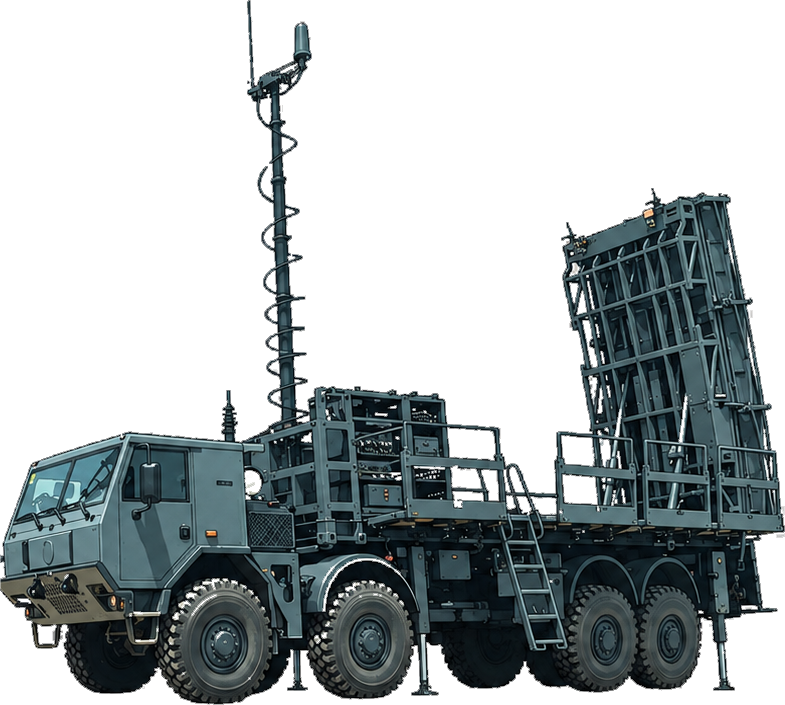
The SPYDER system: Mobile air-defense systems developed and manufactured by Israel’s Rafael. Their range varies from short to long (20–80 kilometers), and the system intercepts fighter aircraft, helicopters, bombers, cruise missiles, drones, and long-range weapons.
Interception
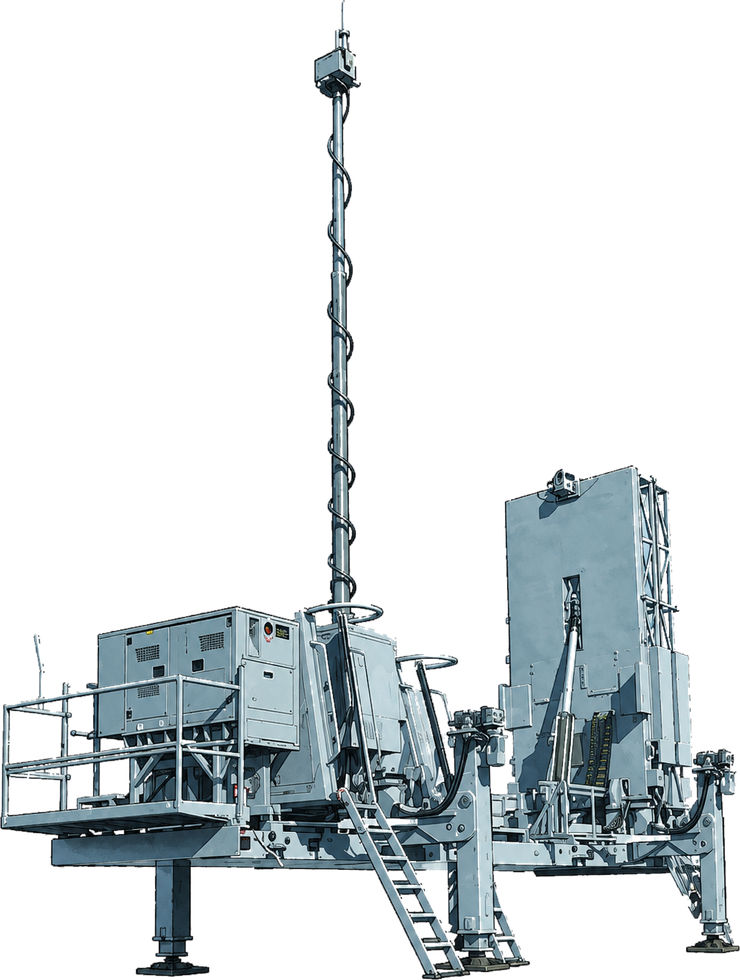
The BARAK MX system: A multi-layered air and missile defense system produced by Israel’s state-owned IAI, which describes the system as a defense architecture that allows a mix of interceptor missiles to be loaded onto the launchers. It also features automatic selection of the appropriate interceptor missile based on the threat, with missiles of varying ranges.
Detection
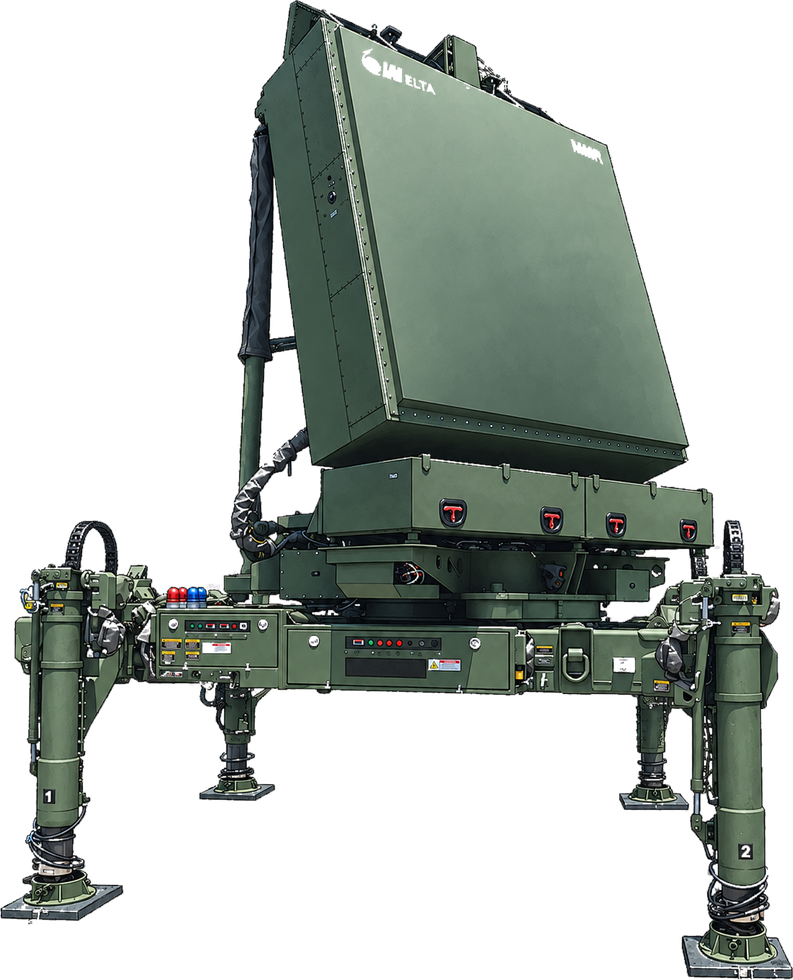
Multi-Mission Radar (MMR) systems: Developed and manufactured by ELTA Systems, their role is not to intercept targets themselves, but rather to detect, track, and classify them, build a real-time air picture, and then provide interception and fire-control systems with the necessary information. According to the manufacturer, these radars can track a wide range of targets, from drones to tactical ballistic missiles.
Command and control
The agreement goes beyond transferring the Israeli system to Greece. Israel’s Rafael will also establish a command-and-control system tasked with integrating Greece’s air-defense capabilities into a single network. This means that the system responsible for detection, surveillance, and decision-making in Greece will be built by an Israeli company.
MMR radarsBARAK MXSPYDERDavid's SlingIn parallel with the “Achilles Shield,” Israel will supply Greece with Rafael-produced “Drone Dome” systems, worth €26 million, designed to counter drones and protect strategic sites.
While neither Greece nor Israel referred to Turkey in the context of the “Achilles Shield” agreement, Israeli Defense Minister Israel Katz said at the time the agreement was signed that “Israel and Greece face shared regional challenges.”
But the “Achilles Shield” was not the starting point. Before relations between the two countries reached the stage of building an integrated air-defense network, Israel had already expanded its presence into other areas of Greece’s military capabilities, from long-range fires to surveillance and reconnaissance, through a series of deals and agreements that gradually paved the way for this level of cooperation.
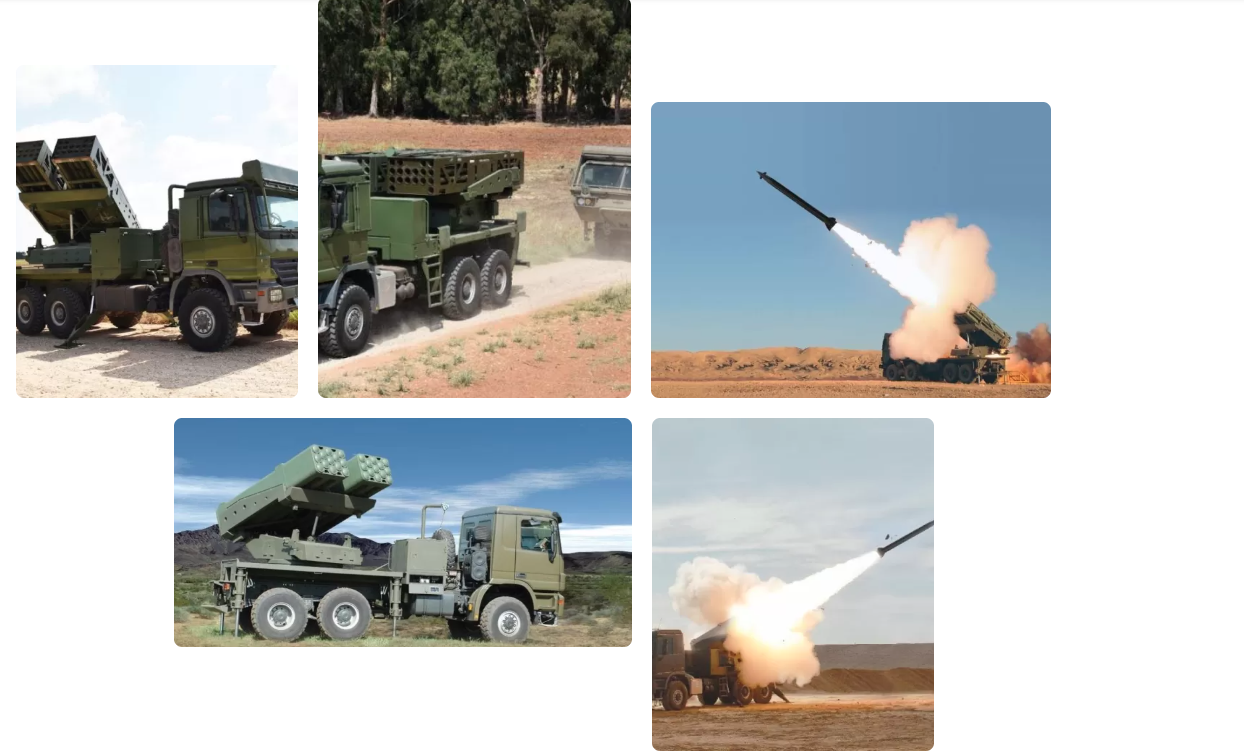
Just four months before the “Achilles Shield” agreement, Athens had opened another door to Israeli weaponry, this time in the field of long-range fires. In April 2026, Greece signed an agreement to purchase the Israeli PULS rocket artillery system, manufactured by Elbit Systems, in a deal worth approximately €650 million.
The agreement ensures a long-term Israeli presence within Greece’s military sector: its implementation will span four years, followed by an additional 10 years of support for the systems.
Details of the system’s capabilities show that units operating it can use different types of munitions from a single launcher. According to the manufacturer, the system can launch rockets and missiles to ranges of up to 35 or 40 kilometers, 150 kilometers, and as far as 300 kilometers.
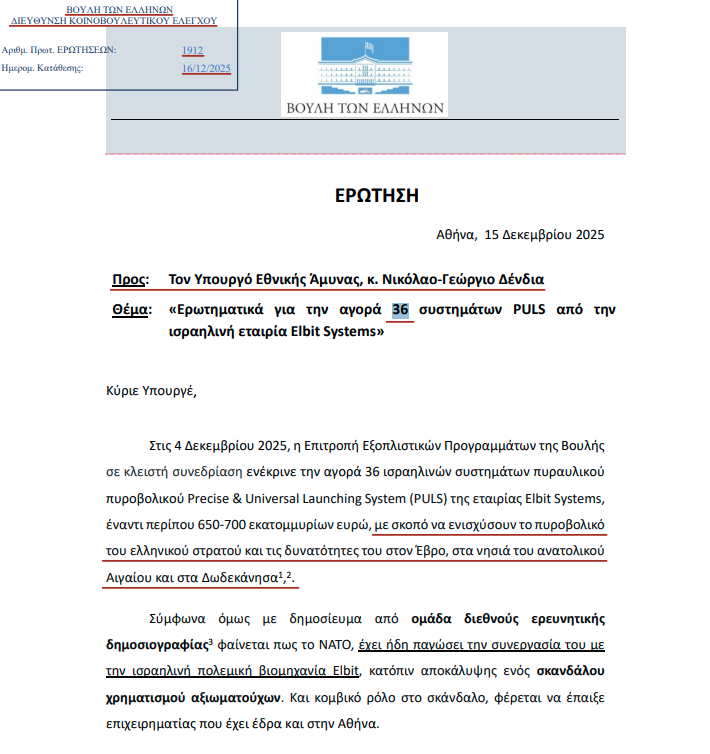
[[IMG]]A review by “Arabic Post” of a parliamentary scrutiny memorandum in Greece concerning the arms deal and addressed to the Ministry of Defense shows that Greece will receive 36 launchers under the agreement. Notably, however, the memorandum alluded to where the system would be deployed, stating that the deal aims to “enhance the capabilities and capacity of the Greek Army’s artillery in the Evros region, the eastern Aegean islands, and the Dodecanese islands.”
All three areas are geographically situated opposite Turkey: Evros lies along Greece’s direct land border with Turkey, while the eastern Aegean and Dodecanese islands stretch along the Turkish coast.
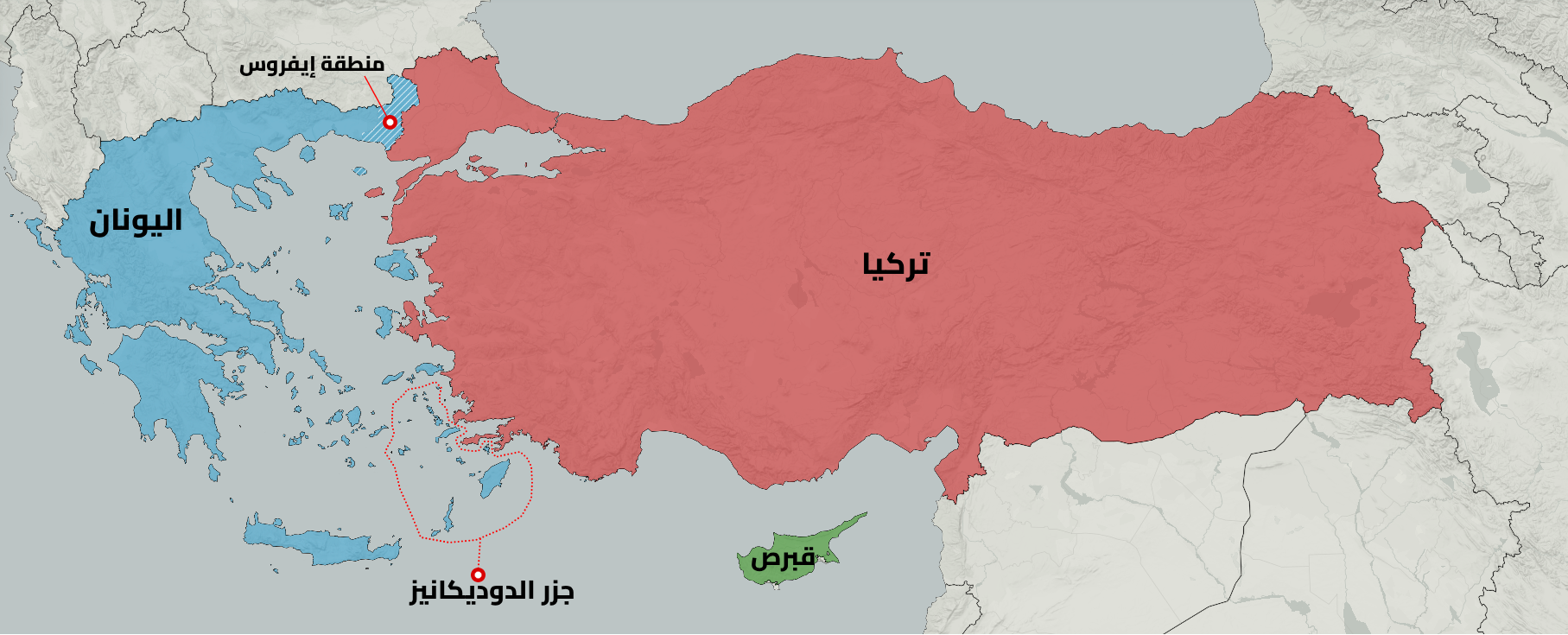
Evros and the islands were not incidental names in tracing the PULS deal. The same destination also appeared in published information about another Israeli system that Greece had purchased three years earlier: Spike NLOS.
In April 2023, Greece purchased Spike NLOS missiles from Israel in a military deal worth €370 million. The system is produced by Israel’s Rafael, and Spike NLOS was designed primarily to engage targets that are beyond the missile operator’s direct line of sight. Its stated range is 32 kilometers for land- and sea-launched versions and 50 kilometers when launched from helicopters.
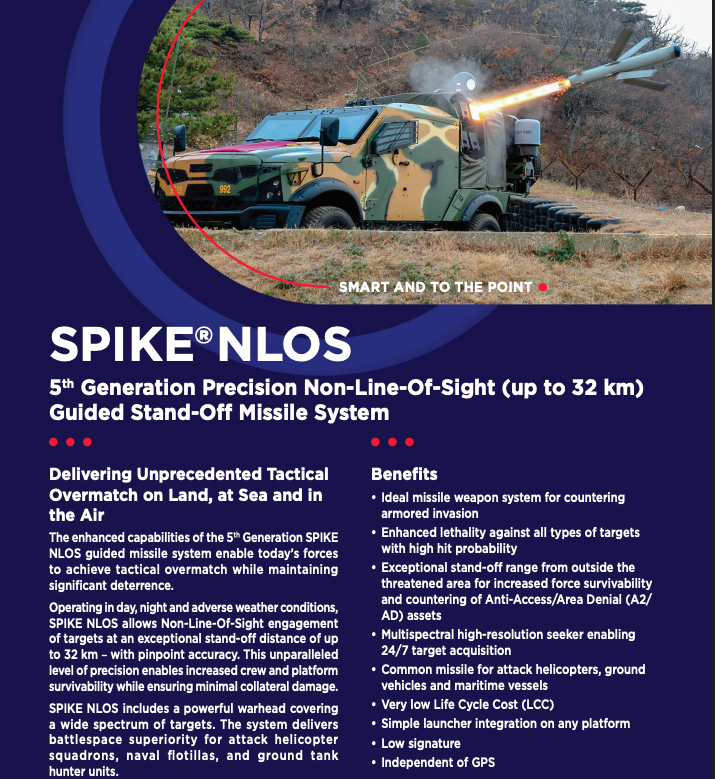
A review of Greek statements about the deal shows how the system will be distributed across the armed forces. Then-Defense Minister Nikolaos Panagiotopoulos identified ground-force vehicles, surface vessels, and helicopters as platforms for operating the missiles, meaning the deal expands the use of Israeli weaponry across more than one branch of the military.
The deployment of this system raises an important question: Where will it be used?
Neither the Greek Ministry of Defense nor the armed forces has officially announced its deployment locations. However, the Greek newspaper “Kathimerini,” one of Greece’s leading newspapers, reported that 17 mobile systems would be transferred to “Evros and the islands” and incorporated into anti-armor companies within mechanized infantry battalions.
Here, the same pattern seen in the PULS deal reappears: Israeli systems are being incorporated into the capabilities of the Greek military, while available information indicates that some of them are being directed toward the areas most sensitive in Greece’s geographical confrontation with Turkey.
Before Spike NLOS missiles and PULS systems entered Greece’s arsenal, Israeli military technology had already preceded them into another field: long-range aerial surveillance and reconnaissance.
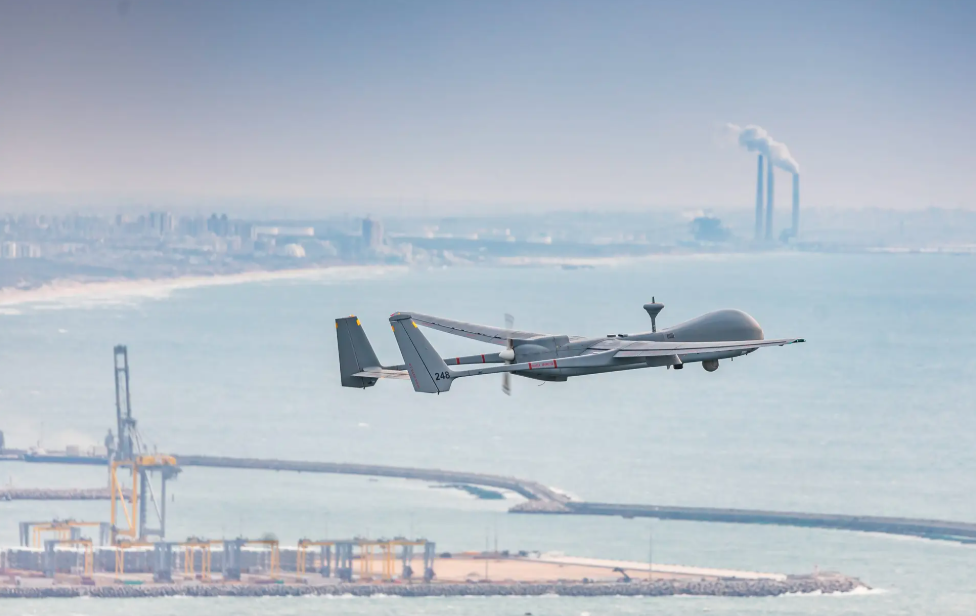
In May 2020, Athens and Tel Aviv signed an agreement under which Greece leased the Heron 1 system, produced by Israel Aerospace Industries (IAI), for three years. The drone was designed for intelligence, surveillance, reconnaissance, and target-acquisition missions, with a stated endurance of up to 45 hours and an operating altitude exceeding 35,000 feet.
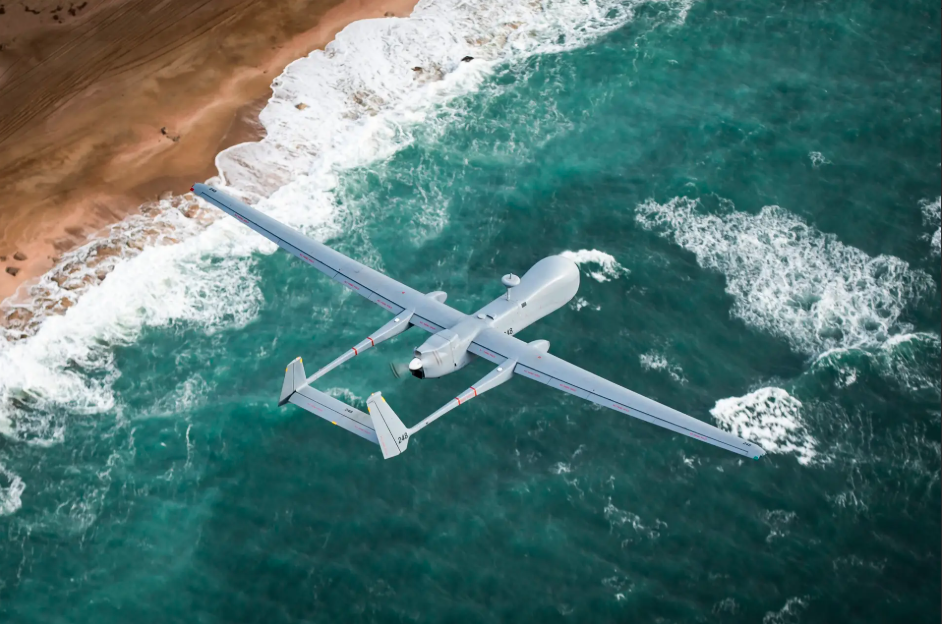
A review of statements made about the deal by then-Greek Defense Minister Panagiotopoulos shows that he said their mission would include monitoring maritime and land borders.
In the same parliamentary intervention, Panagiotopoulos placed the growing defense cooperation with Israel within Greece’s deterrence calculations vis-à-vis Ankara, saying that it constituted a “counterweight to Turkey’s unstable and destabilizing behavior.” He linked confronting this behavior to building a “strong network of deterrence” based, in his words, on strengthening strategic alliances and developing armament capabilities.
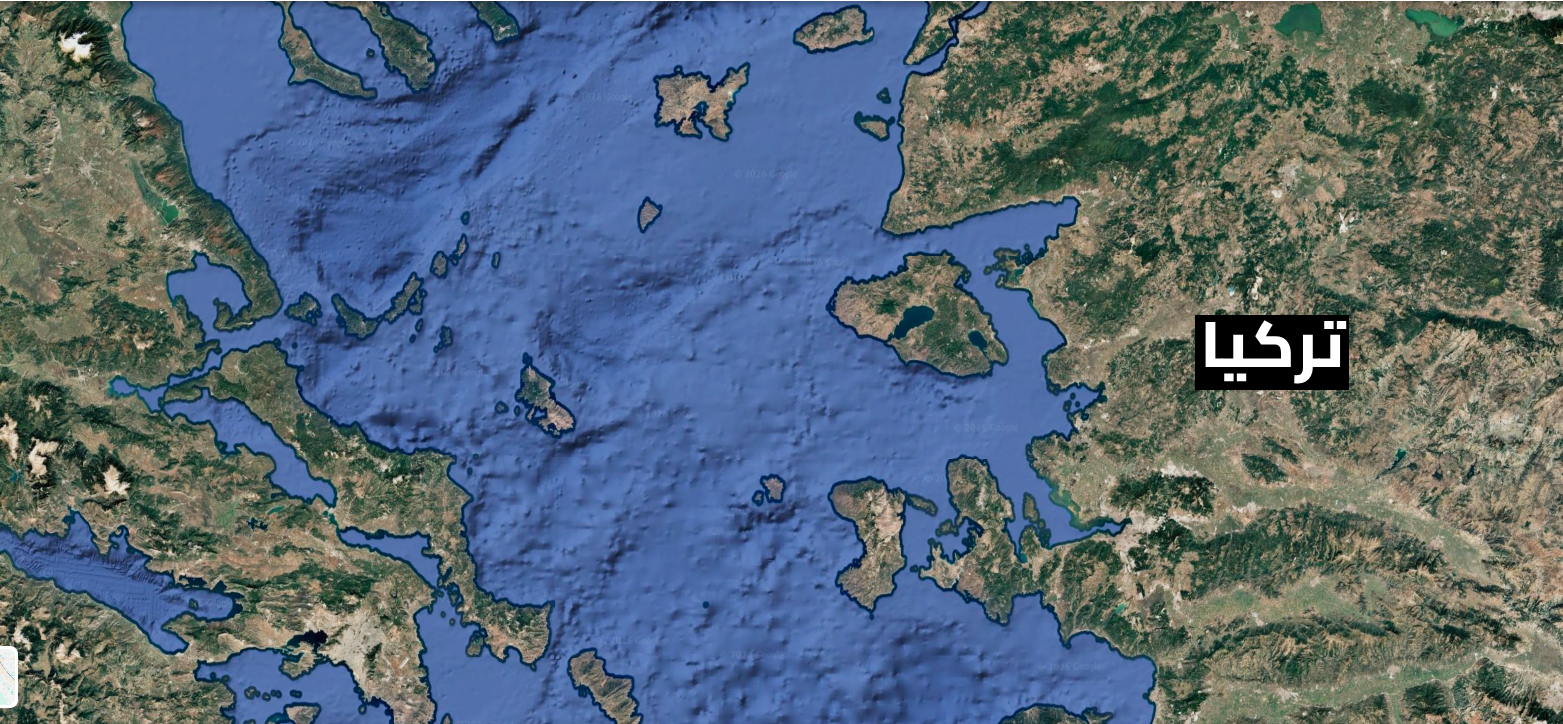
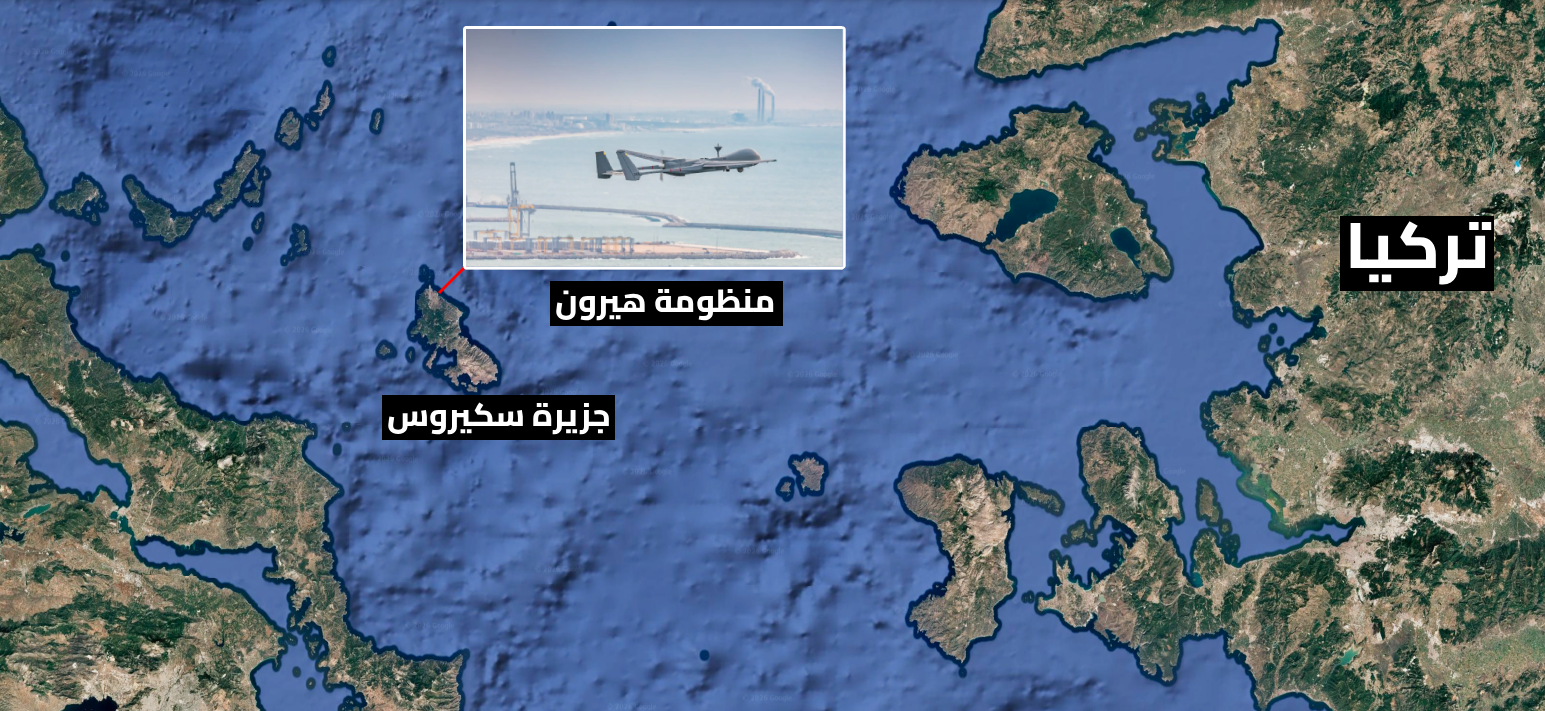
Greek Ministry of Defense statements then revealed where the system was actually operating. The Heron 1 was operated by a drone unit belonging to the 135th Combat Wing on the island of Skyros, in the central Aegean Sea. The deal thus brought together three notable elements: an Israeli-made reconnaissance system, a declared mission of border surveillance, and an operating location within one of the most sensitive areas in Greek-Turkish relations.
Taken together, the statement and the parliamentary intervention clarify the connection between the system, its mission, and its deployment location: Israeli-made aircraft operated by Greece from an island in the Aegean Sea, with a declared mission of monitoring the borders, as part of cooperation that the minister placed within Greece’s deterrence calculations vis-à-vis Turkey.
The location of Skyros island in the middle of the Aegean
The cooperation did not stop with the initial lease agreement. On July 23, 2026, Greek Defense Minister Nikos Dendias announced that the Government Council for National Security had approved the acquisition of an additional Heron 1 system, saying it would strengthen the country’s aerial surveillance, control, and data-transmission capabilities. He added that the system would, at a later stage, be capable of carrying weapons.
While the Heron 1, Spike NLOS, and PULS deals show how Israeli systems entered different branches of the Greek armed forces, the Kalamata project demonstrates how military relations between Israel and Greece moved to an entirely different level: from supplying weapons to participating in the development of military capability itself.
In April 2021, the defense ministries of the two countries signed an agreement to establish and operate an international flight training center for the Hellenic Air Force at the 120th Air Training Wing in Kalamata. Israel’s Elbit Systems was tasked with implementing the project under a contract worth approximately $1.65 billion, or €1.375 billion, spanning around 20 years.
The contract details illustrate the scale of the company’s role: establishing and operating the center, providing new training aircraft, maintaining the training fleet, and equipping it with interconnected simulators, ground stations, and command-and-control systems for managing training. These responsibilities make the company an ongoing participant in the center’s operations throughout the term of the contract.
Israeli Ministry of Defense statements reveal the nature of the project, saying that the center would be established according to the model of the Israeli Air Force Flight Academy, and that Elbit would also provide embedded virtual training avionics aboard the aircraft, alongside discussions of future cooperation between the Israeli and Greek flight schools.
The project began to become an operational reality in May 2023, with the delivery of the first two of 10 training aircraft designated for the center. The Greek defense minister at the time said the agreement also included restoring a significant portion of the training fleet to operational readiness, describing the project as “the largest agreement and the most strategic project in the field of defense cooperation between Greece and Israel” up to that point.
In the same year that the first Kalamata aircraft arrived, the industrial relationship took another form. In 2023, IAI acquired a 90.91% stake in the Greek company Intracom Defense in a deal worth approximately €60 million. The Israeli company thus became the majority owner of a company operating within Greece’s defense industry.

By tracing the company’s announcements after the acquisition, a contract emerges that links this industrial track to one of the systems included in “Achilles Shield.” In March 2024, Intracom Defense announced an agreement with its parent company, IAI, to develop a hybrid power and climate-control system for BARAK MX, intended to support launchers and other components of the air and missile defense system.
It should be noted that, despite this agreement, Intracom Defense remained a Greek entity operating within Greek and European legal and regulatory frameworks, even after control of the majority of its shares changed hands.
The contracts above show what Greece obtained in terms of weapons and training, and the roles assumed by Israeli companies within its military sector. To trace how the Israeli armed forces themselves benefited from the relationship, we reviewed military exercise records and the locations that hosted them. These records show repeated use of bases, training areas, and airspace to conduct missions outside Israel’s borders.
Over the years, Israeli forces have used Greek airspace, bases, and training areas for exercises that go beyond conventional air combat, including combat search and rescue, complex air operations, aerial refueling, and long-range flights.
This benefit derived from Greek geography was noted early in the expansion of military relations between Israel and Greece. In August 2010, the Greek Ministry of Defense revealed that the annual military cooperation program with Israel included air-force exercises in search and rescue (SAR) and combat search and rescue (CSAR) within the Athens Flight Information Region, a vast airspace in which Greece manages air traffic.
But this training presence did not remain at the same level. Over the years, the exercises became broader and more complex, and Israeli fighter jets began using Greek airspace in scenarios extending across large parts of the country.
For example, in April 2021, Israel participated with F-15 and F-16 aircraft in the INIOCHOS 21 exercise hosted at Andravida Air Base. The exercise extended across the Athens Flight Information Region, from Corfu in the west to Kastellorizo in the east, and from Thrace in the north to Crete in the south, and included training in complex air operations involving several countries.
This was not the first time Israel had used this airspace. In 2018, a Greek parliamentary document, citing an air force statement, referred to a bilateral exercise launched from Larissa Air Base, involving Israeli F-16 fighters and a G550 airborne early warning and surveillance aircraft, during which air-to-air and air-to-ground missions were conducted in mixed formations.
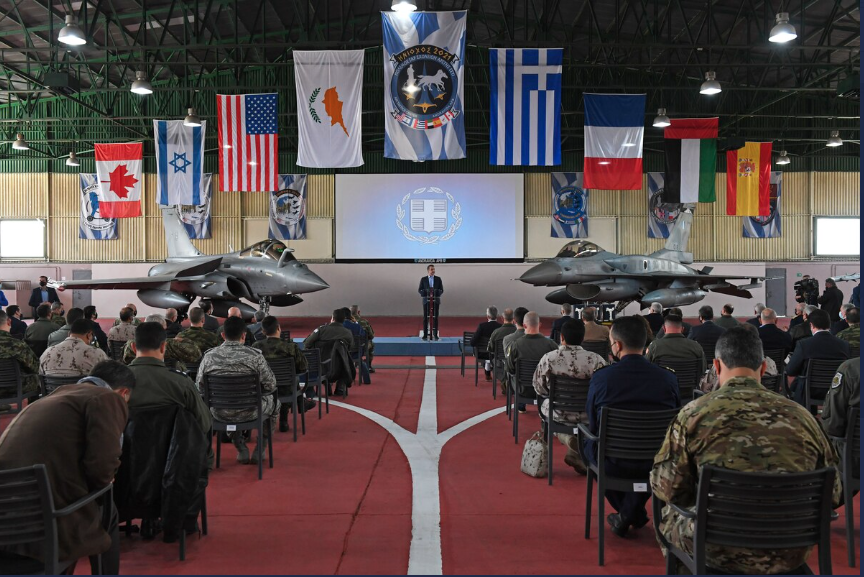
While Greece represents the broader market for Israeli weapons in the eastern Mediterranean, Israel’s expansion of its arms deals and military ties with Cyprus carries other sensitive dimensions. Here, Israeli weapons are entering an island divided since 1974, with a Turkish military presence in its north, making any change in the military capabilities of the island’s south part of the question of the existing balance there.
The BARAK MX system, whose place in Greece’s defense network we previously traced, stands out as one element of this expansion. On December 5, 2024, Reuters reported on the start of Cyprus receiving the system. In the same month, a senior Cypriot government official confirmed to the Associated Press that part of it had arrived, as part of efforts to modernize defenses and gradually move away from older Russian systems.
BARAK MX is an integrated air and missile defense system consisting of detection and tracking radars, a command-and-control system, and launchers capable of using different types of interceptor missiles.
IAI says the system is designed to counter a wide range of threats, including aircraft, drones, cruise missiles, and ballistic missiles, while its various interceptors can provide layered coverage reaching, depending on the type, up to 150 kilometers.
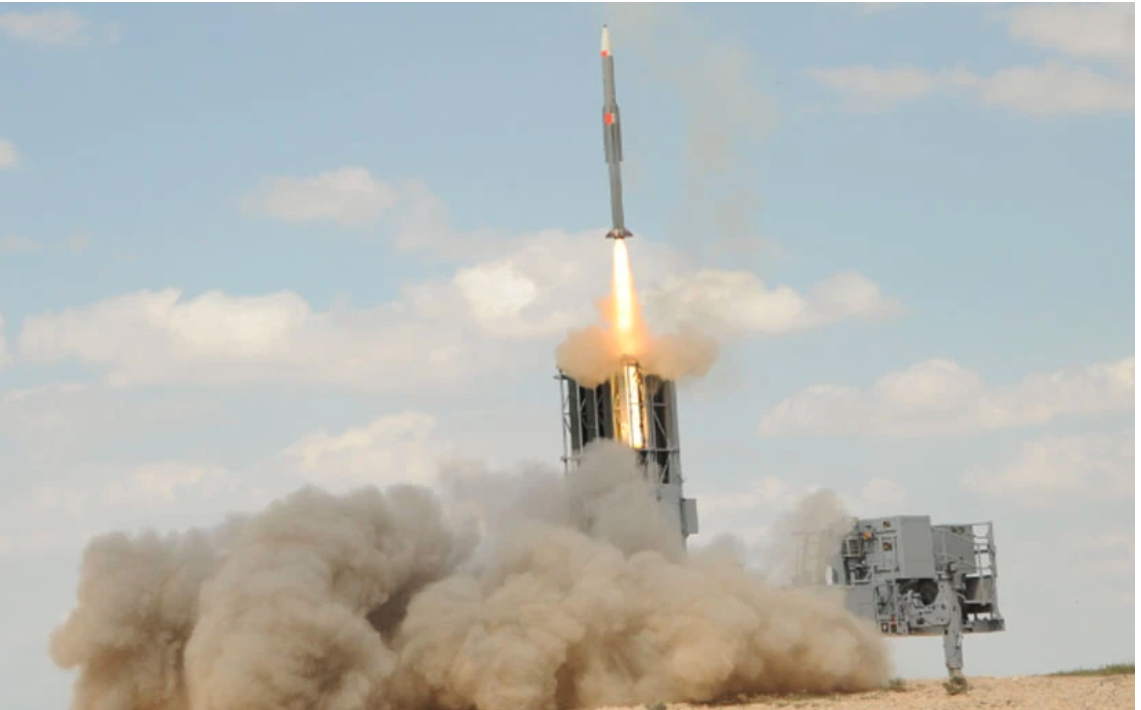
The BARAK MX deal did not pass without Turkish comment. By September 2025, reports circulated that an additional batch of the system had arrived, prompting a public Turkish response. Sources at the Turkish Ministry of Defense said Ankara was closely monitoring reports that Cyprus had acquired an air-defense system from Israel, warning that continued armament of Nicosia could upset the “balance on the island” and lead to serious consequences.
In statements carried by Anadolu Agency, the sources added that any attempt to disturb the “balance on the island” was being monitored, and that Turkey was taking the necessary measures to protect the security of Turkish Cypriots.
The deal takes on an additional dimension when placed within the growing security relationship between Cyprus and Israel. In January 2025, Cypriot Defense Minister Vasilis Palmas emphasized the geographical proximity between the two countries, saying Israel is a “neighbor” of Cyprus and that Israelis can reach it within minutes, noting that Israel would enjoy privileged access to the base while stressing that it would not be designated for offensive missions.
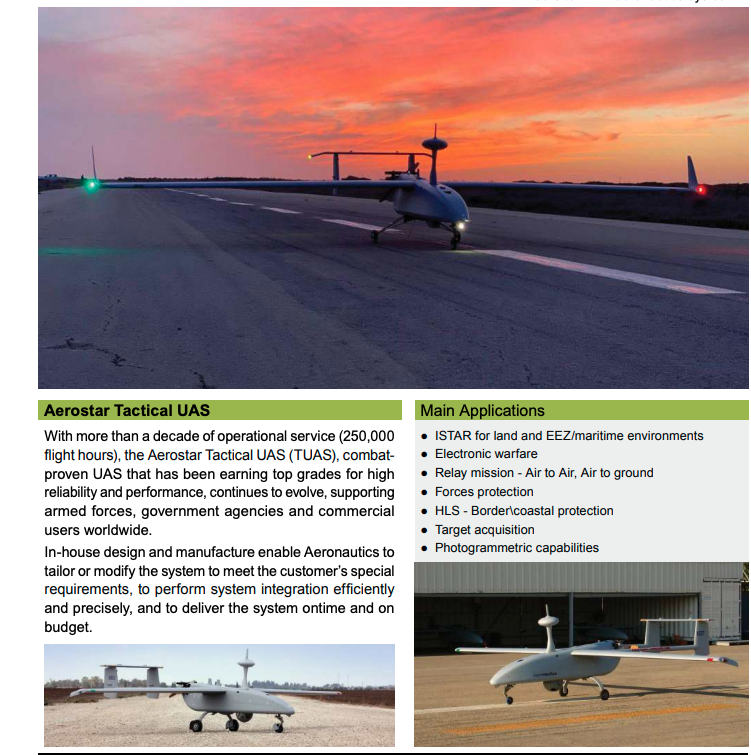
Returning to earlier deals reveals another connection between Israeli armaments and areas of dispute with Turkey, this time at sea. In October 2019, the newspaper Kathimerini reported that the Cypriot National Guard had received four Aerostar Tactical UAS drones, produced by the Israeli company Aeronautics, at a total cost it estimated at around €12 million.
According to Cypriot media, the aircraft would be used to monitor land and sea, including Cyprus’s exclusive economic zone.
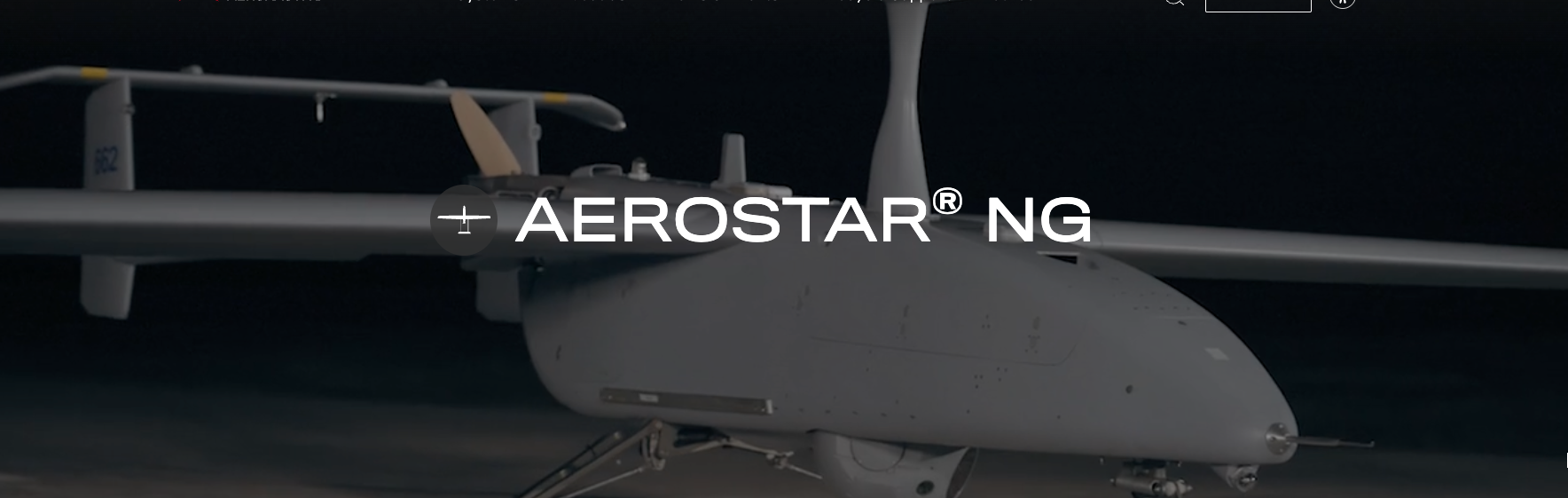
The timing of the deal gives it particular significance, as it came at the height of tensions between Nicosia and Ankara over gas exploration in the eastern Mediterranean. Reports at the time said the drones would be used to monitor the exclusive economic zone, amid Cyprus’s objections to Turkey sending drilling ships into areas Nicosia considers to fall within its maritime rights.
According to an official Israeli Ministry of Defense guide on the defense industry, the Aerostar Tactical UAS was designed for missions including intelligence, surveillance, and reconnaissance over land and maritime areas, border and coastal protection, and target acquisition. It can also be equipped with electronic warfare and communications capabilities depending on configuration.
Within Cyprus’s ground forces, “Arabic Post” traced the entry of another Israeli system into the Cypriot military. In October 2024, the Spike LR2 anti-armor system appeared publicly for the first time with Cypriot forces during the military parade marking the independence of the Republic of Cyprus.
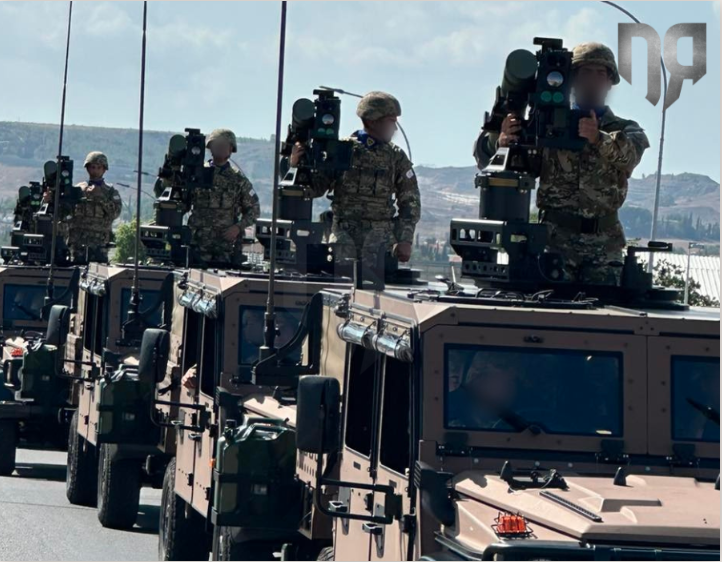
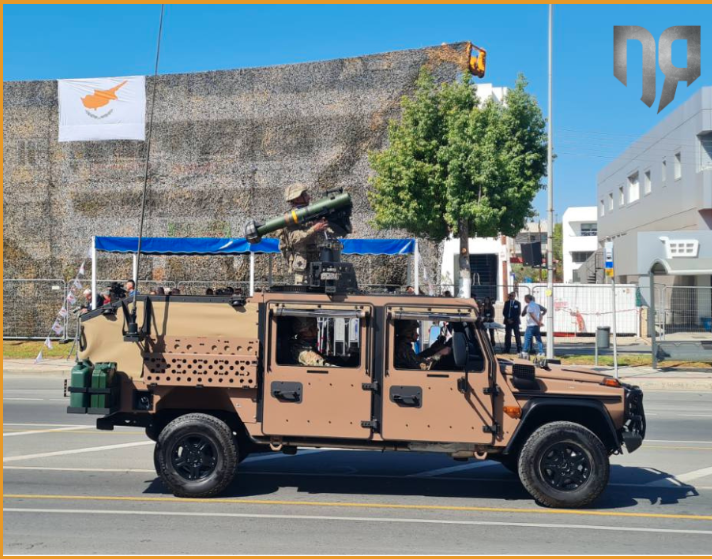
Proof of the system’s presence was not limited to its appearance in the parade. In May 2026, the Cypriot National Guard officially announced a specialized training program for its personnel on the Spike LR2, in cooperation with Rafael and EuroSpike. The training included simulator instruction and high-difficulty scenarios aimed at improving operator proficiency.
The Spike LR2 was designed as a multipurpose electro-optical system and can be operated by infantry forces and from armored vehicles, ships, and helicopters. The company specifies its range at around 5.5 kilometers when launched from the ground, increasing to 10 kilometers when launched from helicopters.
The system also offers several engagement modes, including “fire and forget,” which allows the missile to track its target independently after launch, and “fire and observe/update,” which enables the operator to monitor the missile and intervene during flight, in addition to the ability to launch it toward predesignated target coordinates.
Israeli military technology in Cyprus was therefore no longer limited to surveillance and reconnaissance; it had expanded into direct combat capabilities within the National Guard, in parallel with the introduction of more advanced air-defense systems.
The military relationship between Israel and Cyprus did not run in only one direction. In return for Israeli systems entering the National Guard’s arsenal, the island gave Israeli forces space to train outside their own territory, over terrain and in an operational environment broader than Israel’s domestic theater.
This was especially evident in May and June 2022, when large Israeli forces were transferred to the island to participate in the AGAPINOR 2022 exercise, which the Israeli military called “Beyond the Horizon”.
The training took place during the final week of Israel’s month-long “Chariots of Fire” exercise, and the Israeli military officially described it as a multi-branch exercise, “unique and the first of its kind” in Cyprus. The Cypriot National Guard, meanwhile, said in its official documentation of the exercise that, in terms of the number of personnel and assets involved, it was the largest exercise Cyprus and Israel had conducted together up to that date.
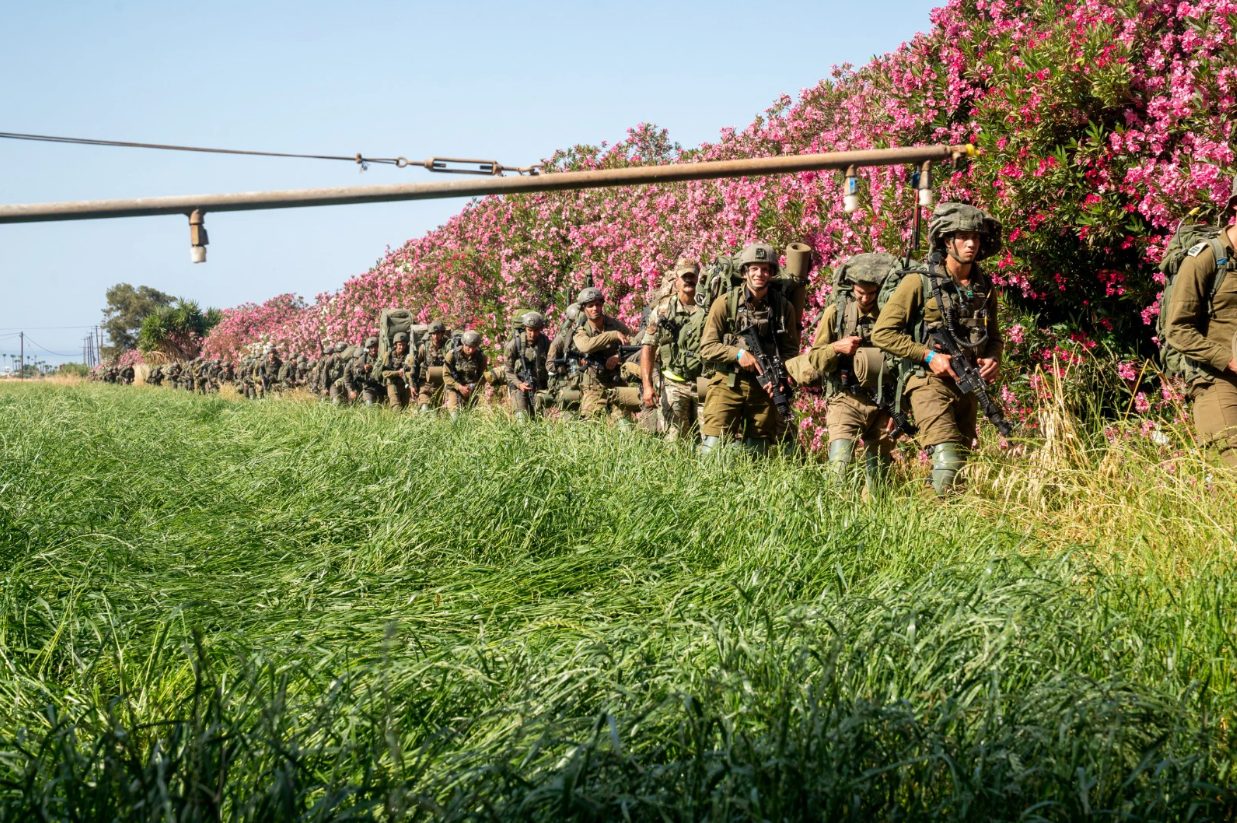
Information published by the Israeli military reveals the nature of the scenario for which these forces were training. In an extensive official report on the exercise, the military said that thousands of soldiers and commanders landed on Cypriot territory and simulated “combat deep inside enemy territory,” and that the training aimed to develop the ability to transport commando forces, paratroopers, engineering units, and special forces by air and sea to areas located far from Israel’s borders.
After tracing the weapons, contracts, and training locations, “Arabic Post” placed these developments on a timeline and compared them with periods of tension and reconciliation between Turkey and Israel. The question was: To what extent was the expansion of cooperation with Athens and Nicosia linked to the deterioration of relations with Ankara?
The comparison included the years in which Turkish-Israeli tensions intensified, as well as periods in which the two sides moved toward rapprochement again. Reading both trajectories together makes it possible to distinguish the surges that coincided with crises from the military ties that continued after those crises subsided.
Turkey excluded Israel from the Anatolian Eagle air exercise. At the time, military cooperation between Israel and Greece existed, but remained limited.
The Israeli attack on the Turkish ship Mavi Marmara pushed relations between the two sides into a more severe phase of tension.
That same year, in the Greek parliament, an explicit question was raised as to whether the deterioration in relations between Turkey and Israel represented a “window of opportunity” for Greece.
The Ministry of Defense’s response revealed that the Greek-Israeli military cooperation program for 2010 was already in place and included SAR search-and-rescue exercises, CSAR combat search-and-rescue exercises, and officer exchanges, and that work was under way on a cooperation program for 2011.
Amid the Turkish-Israeli dispute, the Greek defense minister at the time described the development of relations with Israel as a “strategic choice” serving Greek interests, and announced a move toward an agreement expanding military, strategic, defense, technological, and industrial cooperation.
At the same time, he was careful to say that the development of the relationship should not simply be interpreted as a result of the crisis between Israel and Turkey.
On the 2nd of the month, Turkish Foreign Minister Ahmet Davutoğlu formally announced the suspension of military agreements between Turkey and Israel and the downgrading of diplomatic relations.
That same month, the Greek defense minister visited Israel, where the military relationship moved into a more institutionalized framework through the signing of an operational memorandum on military and defense cooperation that included targets and timelines for cooperation.
During Israel’s war on Gaza, the Turkish Foreign Ministry confirmed that relations with Israel remained at a low level and that military ties suspended after the Mavi Marmara incident had not resumed.
Against the backdrop of cool Turkish-Israeli relations, ties between Israel, Greece, and Cyprus continued to expand, with the Greek defense minister at the time speaking about the importance of military and political cooperation with Israel.
Israel and Greece signed a SOFA agreement regulating the presence of military personnel during exercises and military cooperation.
The defense ministers of Israel, Greece, and Cyprus spoke of a “new phase” of strategic cooperation, exercises, intelligence sharing, and defense industry cooperation. At the time, the Greek minister explicitly spoke of creating a secure axis beginning with Israel, then Cyprus, then Greece.
Turkey and Israel reached a normalization agreement.
The Greek defense minister announced that military cooperation with Israel had become systematic over the previous three years, and spoke of a high level of expansion in training, cyber defense, infrastructure protection, and defense industries.
Turkish-Israeli relations deteriorated again over Gaza and Jerusalem, and from May of that year until the end of 2022, representation between the two countries reverted to the level of chargés d’affaires rather than ambassadors.
The defense ministers of Israel, Greece, and Cyprus held the second trilateral defense meeting in Cyprus and reaffirmed their commitment to strategic cooperation.
During the period when Turkish-Israeli representation remained below ambassadorial level, two developments took place that were qualitatively different from the earlier exercises.
The Israeli Heron system entered Greece, with Athens moving to operate Israeli drones for monitoring maritime and land borders.
The Kalamata contract, worth approximately $1.65 billion, tasked the Israeli company Elbit with establishing and operating a Hellenic Air Force training center for decades.
Israeli President Isaac Herzog arrived in Turkey as part of the reconciliation process, and on August 17, 2022, the two countries announced the decision to restore ambassadors, while the Turkish Foreign Ministry described the process as a return to full normalization. Yet in the same year, military relations with Greece and Cyprus continued to deepen.
The large-scale Beyond the Horizon / Agapinor 2022 exercise was held, during which Israel transferred the 98th Division, land and naval special forces, intelligence units, and air squadrons to the island to train in Cyprus.
That same year, the Turkish Foreign Ministry also issued an official position on Agapinor 2022, arguing that the Israeli-Cypriot exercise was taking place at the expense of regional stability and calling on participating countries not to become an instrument for what it described as Greek Cypriot provocation and propaganda.
Turkish-Israeli relations returned to ambassadorial level. Nevertheless, the same year — and before October 7 — saw a series of major developments in relations.
Israel and Greece signed the Spike deal worth approximately €370 million, while in Cyprus the Sun Blue and AGAPINOR exercises were conducted.
After the outbreak of the war in Gaza, relations between Turkey and Israel deteriorated once again, and Ankara recalled its ambassador in Tel Aviv for consultations. In the following years, cooperation with Greece and Cyprus entered a more intensive phase in terms of contracts and institutionalization.
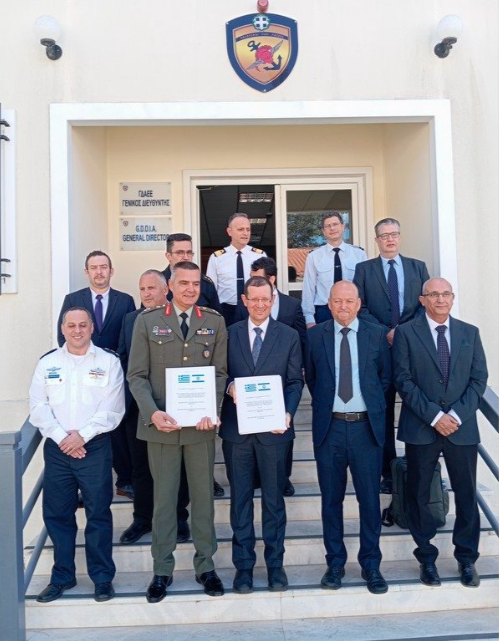
Israel, Greece, and Cyprus signed the Joint Action Plan for 2026, alongside the Israeli-Greek military cooperation program, covering operational activities, special-forces training, meetings, and coordination among military institutions.
Greece signed a deal for the Israeli PULS system worth around €650 million.
Israel and Greece signed the “Achilles Shield” deal worth around €3 billion, the largest defense agreement in the history of Israeli-Greek relations.
The map of military deals and programs tracked by Arabic Post shows that Israel’s presence in Greece and Cyprus is no longer limited to the sale of off-the-shelf military systems. It has expanded to training, the transfer of expertise, and participation in developing military capabilities whose impact is expected to last for years.
Across the waters from Turkey, this is creating a pattern of cooperation that goes beyond the traditional seller–buyer relationship in arms deals, giving Israel a growing role in the military infrastructure of two countries that already have tense and complex relations with Ankara.